
A Public-Health and Energy Challenge Elevated to Global Priority
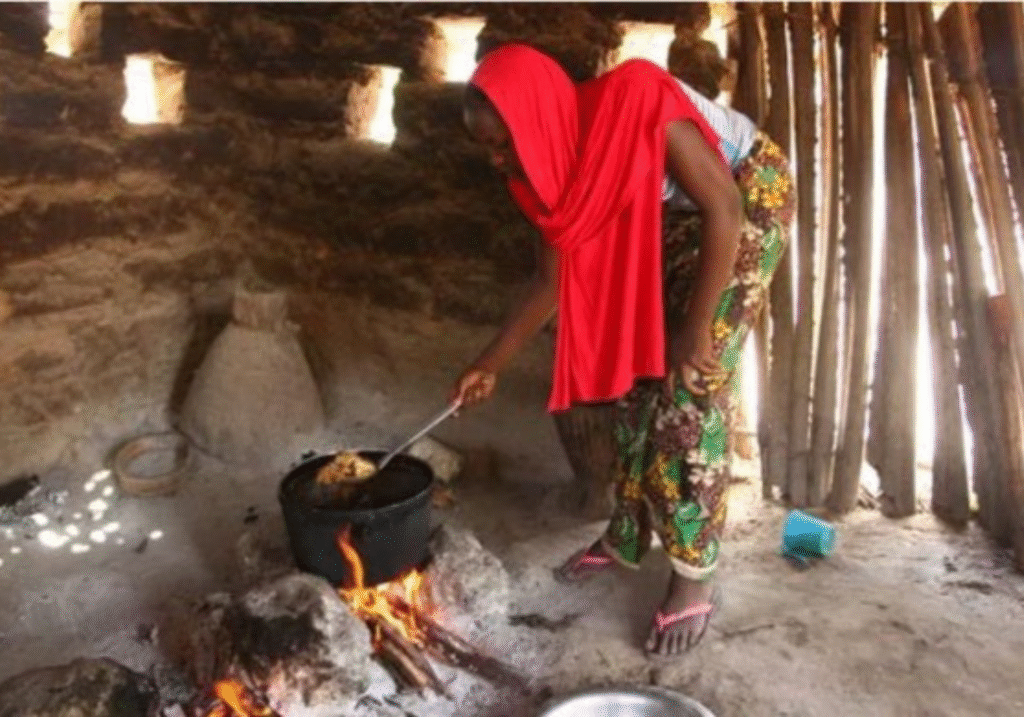
During the G20 meetings hosted in Johannesburg, African governments and international partners endorsed a new Clean Cooking Infrastructure Investment Action Plan designed to expand access to modern, affordable and safe cooking fuels across sub-Saharan Africa. Led by the International Energy Agency (IEA) and regional institutions, the initiative reframes clean cooking not simply as a social or environmental issue, but as a critical component of the continent’s energy infrastructure. With nearly 900 million Africans still relying on biomass for daily cooking, the plan seeks to address one of the region’s most persistent development gaps.
Infrastructure Built Around Households, Not Just Grids
Unlike traditional energy programs centered on electricity generation and transmission, the clean cooking agenda focuses on household-level systems: LPG distribution networks, electric cooking solutions, efficient stoves, and urban–rural supply chains for sustainable fuels. The plan also prioritizes regulatory harmonization, investment de-risking and financing models that can scale solutions beyond pilot programs. By treating clean cooking as infrastructure rather than charity, African leaders aim to reduce respiratory illnesses, alleviate the disproportionate burden on women and girls, and free up time and resources for education and economic activity.
Why This Initiative Matters for Africa’s Development Path
This effort is significant because it expands the definition of energy infrastructure to include the systems that shape daily life, health and productivity. The economic benefits—improved labor participation, reduced health expenditures, and stronger local markets—are as important as the environmental gains. Clean cooking access also strengthens national resilience by reducing deforestation pressures and energy insecurity. At a moment when global attention often gravitates toward large-scale projects like grids and hydrogen plants, Africa’s G20 message is clear: human-centered infrastructure is foundational to inclusive development and should be financed with the same seriousness as major energy corridors.