
A Year-Long Campaign Culminates in Unprecedented Commitments
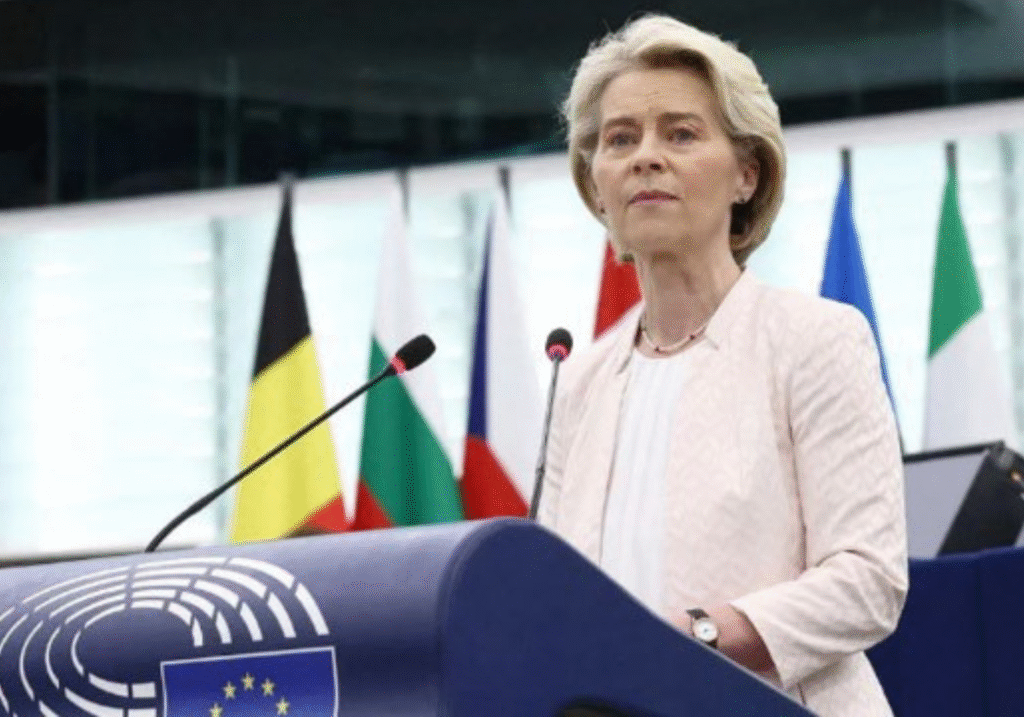
A coordinated international effort to accelerate Africa’s clean-energy transition closed this week with an extraordinary €15.5 billion ($16.9 billion) in new commitments. The campaign—driven jointly by European Commission President Ursula von der Leyen and South African President Cyril Ramaphosa, with Global Citizen mobilizing financing and the IEA providing policy support—places Africa’s energy infrastructure needs at the center of Europe’s geopolitical and climate-finance agenda. The scale and cohesion of the pledging drive mark one of the largest single-cycle mobilizations ever directed toward renewable energy in the Global South.
Europe Positions Itself as Africa’s Principal Energy Partner
The European Union emerged as the dominant contributor, supplying over €15.1 billion through Team Europe platforms, bilateral packages, development-bank financing, and private-sector mobilisation. The package includes €2.1 billion from the EIB, €740 million from the EBRD, €5 billion in bilateral funding led by Italy and Germany, and additional support from the Netherlands, Portugal, Denmark, Sweden, Austria, and Ireland. Together, these commitments will support 26.8 GW of new renewable capacity, expand electricity access to 17.5 million households, and unlock complementary investments across hydrogen, transmission infrastructure, and local manufacturing. The political messaging accompanying the pledges frames the initiative as both economic opportunity and global responsibility: a future “led by Africa,” as von der Leyen underscored, but strengthened by Europe’s strategic backing.
A Structural Shift in the Global Energy-Development Landscape
This surge of financing matters because it signals a structural reordering in how the world supports large-scale clean-energy build-out in Africa. Rather than scattered projects or short-term grants, the EU is committing to multi-year, multi-billion-euro platforms that can shape power grids, industrial zones, and urban development for decades. With African institutions like the AfDB aligning their own funding priorities—committing at least 20% of ADF-17 to renewables—the continent is better positioned to link electrification with industrialisation, urban growth, and long-term decarbonisation. For global markets, Europe’s investment drive also marks a shift toward diversified supply chains, reduced energy insecurity, and new export relationships centred on clean power rather than fossil fuels. If sustained, this model could redefine Africa’s role in the global energy economy and demonstrate how geopolitics, climate policy, and development finance can converge to produce system-level transformation