
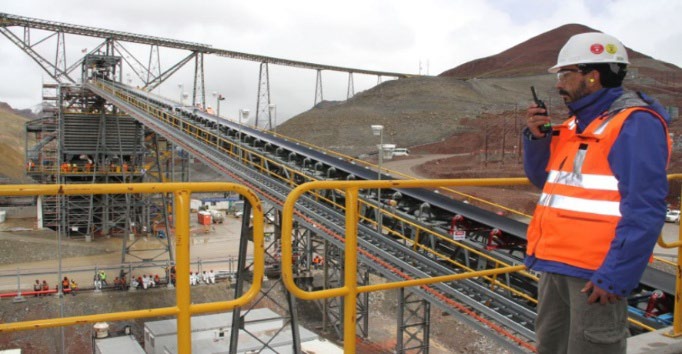
Record Employment Confirms the Sector’s Economic Footprint
On November 24, 2025, Peru’s Ministry of Energy and Mines (MINEM) reported that formal mining employment reached a historic record of 276,458 direct jobs in September 2025, the highest level registered so far this year. The figure represents a month-on-month increase of 1.8% and a year-on-year expansion of 12.2%, consolidating mining’s role as one of the country’s main generators of formal and decentralized employment. According to official data, mining activity directly benefits workers across more than 20 regions nationwide.
Employment Stability as a Core License-to-Operate Asset
From a License to Operate perspective, sustained formal employment is a critical—often underestimated—source of social legitimacy. Stable jobs, predictable incomes, and regional distribution of employment help anchor mining operations within local economies, particularly in areas where alternative formal employment opportunities remain limited. The data also show the predominance of contractors and mining-related service companies in total employment generation, underscoring the importance of supply chains and local services in sustaining mining-related livelihoods.
From Jobs to Shared Prosperity: The Next Step
While record employment strengthens mining’s social footprint, it does not automatically translate into stakeholder prosperity. The distribution of benefits, workforce stability, gender inclusion, and long-term skills development remain central to converting employment numbers into durable regional value. The relatively low participation of women highlights ongoing inclusion gaps, even as overall employment expands. For Peru, the challenge ahead lies in ensuring that strong employment figures reinforce not only operational continuity, but also broader development outcomes—linking formal mining activity to skills upgrading, local economic diversification, and more inclusive growth. In that transition, employment remains not just an economic indicator, but a foundational element of mining’s long-term social legitimacy.