
Formalization as a Platform for Economic Inclusion
On November 29, 2025, testimonies from small-scale and artisanal miners across Peru highlighted the tangible benefits of operating within the formal mining framework. Formalized producers emphasized their ability to commercialize minerals freely, access credit, and operate under clear legal protections. This transition from informality to legality enables greater income stability and reduces operational and legal uncertainty, allowing small producers to integrate into regulated mineral value chains.
Productivity, Environmental Practices, and Community Impact
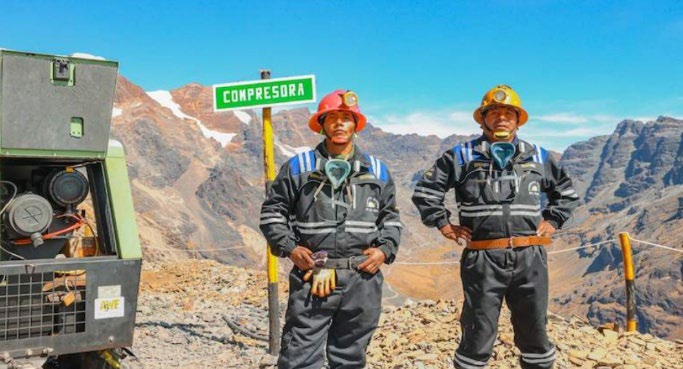
Experiences from regions such as Madre de Dios, Puno, Piura, and Ayacucho illustrate how formalization supports improved operational standards. Formalized miners reported the adoption of cleaner technologies, stronger occupational safety and health practices, and compliance with environmental regulations. In several cases, mining activity is being combined with agriculture, reforestation, and ecotourism initiatives, demonstrating that productive diversification is possible under formal conditions. The growing inclusion of women in operational roles further reflects the social benefits associated with legal recognition.
Why Formalization Strengthens Peru’s Mining System
At the system level, mining formalization contributes to improved environmental supervision, increased fiscal transparency, and enhanced traceability of mineral production. By bringing small-scale producers into the formal economy, Peru strengthens the institutional foundations of its mining sector while reducing the social and environmental risks linked to illegal activity. In a global context where responsible sourcing and governance standards are increasingly decisive, continued progress on formalization reinforces Peru’s position as a mining jurisdiction committed to sustainable and inclusive development.