
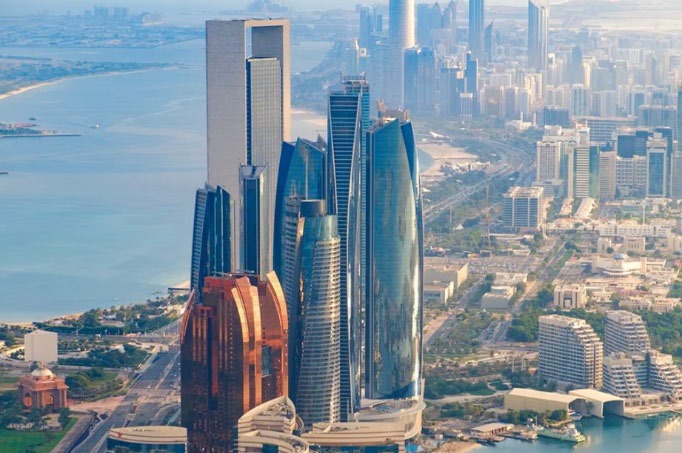
From Oil-Wealth to Capital-Market Power: Sovereign Funds on the Offensive
In early December 2025, a comprehensive report revealed that the sovereign wealth funds of Abu Dhabi — notably Abu Dhabi Investment Authority (ADIA), Mubadala Investment Company, and ADQ — have transformed into among the most active and influential global investors in infrastructure, energy and technology. These funds, fed by decades of oil and gas revenues, are deploying capital globally to shape supply chains, fund new energy and infrastructure projects, and redirect the emirate’s economic model away from hydrocarbons.
Diversified Investments, Strategic Reach, and Financial Diplomacy
According to the Bloomberg analysis, these sovereign funds have completed hundreds of deals across continents, spanning traditional energy, renewables, digital infrastructure, logistics, and technology. Their portfolio diversification and financial firepower give Abu Dhabi disproportionate influence over development trajectories in key regions, from Africa and Asia to Europe and the Americas. Through this capital-flow, the emirate is not only investing it is exporting a model of financial-backed influence, where infrastructure development and energy supply chains become intertwined with global investment and governance networks.
What This Means for the Global Energy & Infrastructure Landscape
The rise of Abu Dhabi’s funds underscores a broader shift: sovereign capital is becoming an alternative to traditional multilateral or private-sector financing for infrastructure. In an era of tightening capital markets, geopolitical fragmentation, and growing demand for energy transition, funds like ADIA, Mubadala and ADQ may shape which projects get built, where they are located, and under what terms. For developing countries and resource-rich economies, this means access to liquidity—but also the risk of dependency on foreign capital whose strategic priorities may override local needs. The broader implication: financial power is as consequential for energy security and infrastructure development as geological or technological assets.