
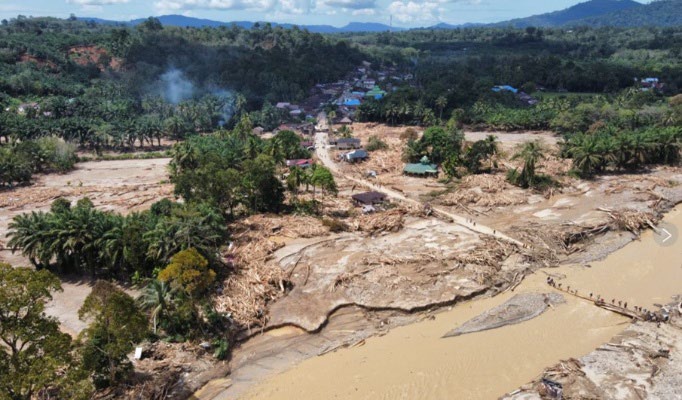
Critical Systems Under Pressure From Intensifying Climate Events
At the beginning of December 2025, two major reports warned that Asia’s water and power systems are facing mounting strain due to the effects of climate change. Governments across the region will need roughly US$4 trillion between 2025 and 2040 (≈ US$250 billion per year) to meet water and sanitation needs — yet current investment levels cover only a fraction of what is required. Basic services like water supply, sanitation, and power generation are increasingly disrupted by floods, droughts, extreme heat, and erratic precipitation patterns, placing hundreds of millions of people at risk of supply failures and public-health emergencies.
Cascade of Failures: From Water Scarcity to Power Outages
In many countries across South, Southeast and East Asia, hydropower generation — historically a backbone of electricity supply — is becoming unpredictable. Changes in rainfall patterns, melting snow and glacier retreat, and shifting monsoon dynamics are undermining reliability. As water availability becomes more volatile, droughts reduce reservoir levels and flood risks threaten hydropower infrastructure, while extreme storms damage grid networks and distribution systems.
A Turning Point — The Need for Resilient Infrastructure and Integrated Planning
The situation in Asia illustrates a broader lesson: climate-resilient infrastructure must be central to any long-term development strategy, not treated as an afterthought. As population growth, urbanization, and economic demand converge with climate stress, merely expanding capacity will not suffice. Instead, multi-layered strategies are necessary: investments in resilient water systems, diversified energy mixes (less dependent on climate-vulnerable hydropower), adaptive grid design, early-warning and flood-management systems, and integration of climate risk into infrastructure planning.