
A Local Disaster That Exposes Global Weaknesses in Mining Oversight
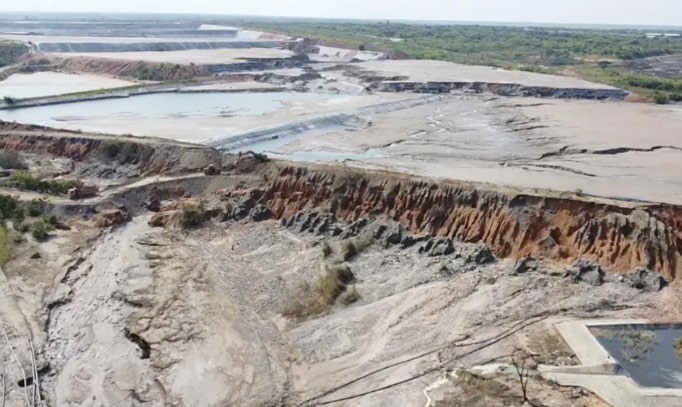
On December 1, 2025, Human Rights Watch released a dispatch framing a recent tailings-dam failure in Zambia as a turning point for global mining governance. The incident, which caused severe contamination of nearby waterways and disrupted the livelihoods of rural communities, highlighted systemic gaps in safety monitoring, emergency planning, and corporate oversight. HRW argued that the event reflects broader vulnerabilities across mining jurisdictions where aging infrastructure, limited state capacity, and weak enforcement elevate the risk of catastrophic failures.
Communities Bear the Brunt of Structural Safety Failures
The report emphasized that communities living near mining operations—particularly women, smallholder farmers, and informal workers—absorb the greatest social and economic losses when mine-waste facilities fail. In the Zambian case, residents reported crop losses, livestock deaths, and health symptoms linked to polluted water sources. HRW pointed out that inadequate compensation, lack of transparent information, and delayed response mechanisms compound these harms, deepening mistrust between local populations, regulators, and operators. These dynamics mirror patterns observed in other mining regions globally, where the absence of rigorous community engagement and early-warning systems leaves populations exposed.
Momentum for Global Reform in Mine Safety and Corporate Accountability
Using Zambia as a case study, HRW called for stronger international safety standards, mandatory corporate disclosure on tailings-risk management, independent audits, and robust regulatory oversight. The dispatch underscored that the license to operate increasingly hinges on demonstrable safety performance, transparent risk governance, and meaningful community participation. As demand for critical minerals accelerates, the report warns that without global alignment on best practices, the industry risks more failures that erode trust, disrupt supply chains, and undermine the promise of mining as a driver of shared prosperity. The message is clear: improving mine safety is both a moral imperative and a prerequisite for sustainable, legitimate mineral development.