
A Fast-Expanding Illicit Economy With Severe Local Impacts
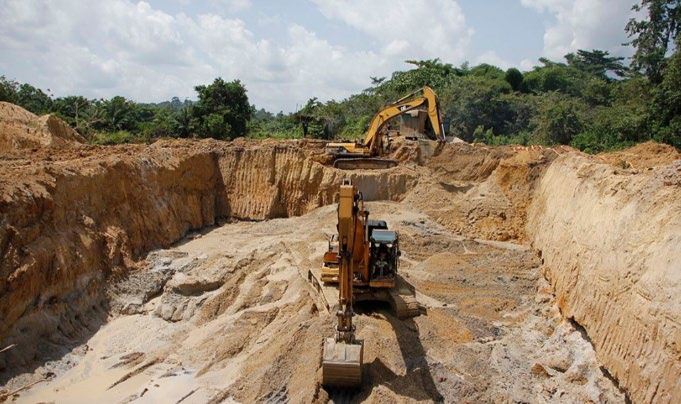
An early December 2025 analysis highlighted the rapid expansion of illegal gold mining networks in eastern Democratic Republic of Congo, driven by a mix of local operators, armed groups, and certain foreign intermediaries, including Chinese-linked trading networks. These operations have accelerated deforestation, contaminated waterways with mercury and sediment runoff, and displaced farming families from productive land. The scale and organization of these networks reveal how illicit extraction has evolved from small-scale activity into a complex economy that undermines state authority and fuels local insecurity.
Communities Caught Between Economic Desperation and Environmental Decline
The report documents rising tensions between miners and agricultural communities who face shrinking arable land, polluted river systems, and declining food production. Farmers, women’s associations, and local leaders describe the erosion of traditional livelihoods as mine pits encroach on fields and forest margins. Because illegal mining generates short-term income in regions with limited economic options, communities experience deep social fragmentation: some residents participate in or tolerate mining, while others suffer its effects, creating governance vacuums and reinforcing patterns of grievance and vulnerability.
A Governance Challenge With Regional and Global Implications
The situation underscores a central challenge in the DRC: without credible state oversight, transparent licensing, and community-inclusive economic alternatives, illegal mining will continue to outcompete formal governance. The environmental degradation and social disruption associated with illicit gold production weaken the legitimacy of local authorities, complicate development planning, and feed transnational supply chains that bypass regulation and taxation. For regional stability and global responsible-sourcing commitments, the lesson is clear: tackling illegal mining in eastern Congo requires a combination of enforcement, territorial governance, and sustainable livelihood strategies that align security, environmental protection, and community well-being.