
A Call to Restore the Rule of Law in the Formalization Debate
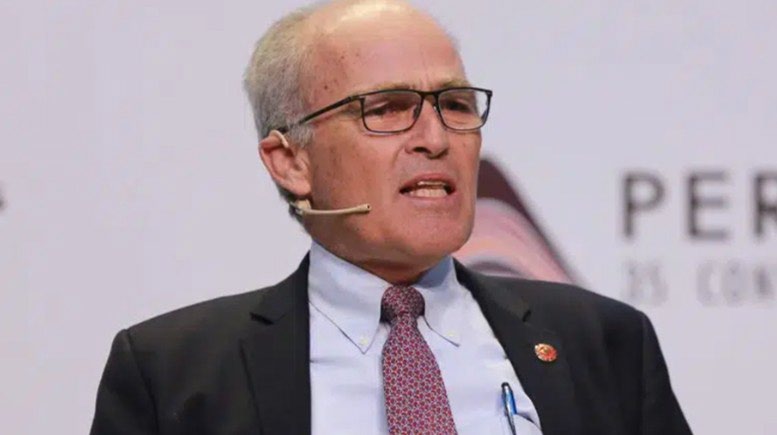
During the launch of CONAMIN 2026, Roque Benavides underscored that REINFO was designed as a temporary mechanism, warning that nearly a decade has passed without meaningful progress from many registrants. He emphasized that prolonging a transitional registry indefinitely weakens regulatory credibility and discourages responsible operators who comply with environmental, territorial, and fiscal obligations. For Benavides, enforcing the law while offering realistic pathways to formalization is essential to prevent a cycle in which temporary exceptions become de facto licenses to operate without oversight.
Protests and the Limits of Pressure in Democratic Governance
Addressing recent road blockades in Arequipa by small-scale miners seeking an extension of REINFO, Benavides stated bluntly that the right to protest cannot override the rule of law. He noted that pressure tactics, regardless of their intensity, must operate within constitutional limits and cannot substitute for compliance with the legal framework. His remarks highlight a broader governance tension: how to balance legitimate demands from small-scale miners with the state’s responsibility to maintain order, ensure environmental protection, and safeguard the rights of affected communities.
Reaffirming the Industry’s Commitment to Development and Transparency
Benavides also previewed the themes of CONAMIN 2026, stressing the need to showcase the mining sector’s contributions to national and regional development, particularly in northern Peru. He emphasized the importance of engaging academia, international experts, and newly elected authorities to reinforce the message that responsible mining can support decentralization and public welfare. Within this context, the REINFO debate becomes more than an administrative decision—it becomes a test of institutional integrity, determining whether Peru can align legality, stakeholder expectations, and long-term development in a coherent and equitable way.