
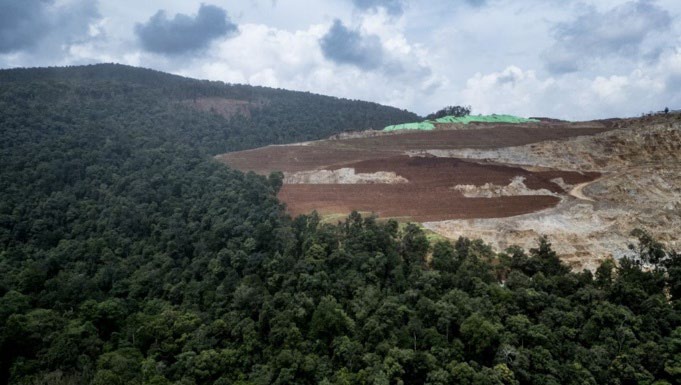
A Warning Against the Unintended Consequences of the Energy Transition
In early December 2025, a widely circulated global commentary argued that the accelerating race for lithium, copper, nickel, rare earths, and other transition minerals is generating new environmental and social pressures across multiple continents. While governments and companies aim to meet climate commitments and secure supply chains, the rush to expand extraction has led to deregulation in some jurisdictions, intensified water stress in arid regions, and renewed conflicts over land rights. The article cautions that without stronger standards, the pursuit of clean energy may reproduce the same extractive patterns it seeks to replace.
Hotspots of Concern Across Latin America, Africa, and Asia
The commentary highlights several emerging hotspots where the pace of project development has outstripped the capacity of local institutions to manage risks. Lithium brine extraction in the Andean salt flats continues to raise questions about groundwater depletion; copper and cobalt operations in Central Africa face persistent governance and labor challenges; and rare-earth projects in parts of Southeast Asia are encountering renewed scrutiny over waste management and contamination. Although many projects operate under modern frameworks, the overall pattern reveals an uneven transition—one where strategic urgency can overshadow environmental safeguards, community consultation, and long-term land-use planning.
Reframing Energy Transition Through Responsible Mineral Governance
The critique offers a broader lesson for policymakers and industry leaders: the energy transition cannot succeed if its supply chains undermine the ecological systems they rely on. Scaling renewable technologies require vast quantities of metals, but they also demand governance models that protect ecosystems, uphold community rights, and ensure transparency across the value chain. Strengthening environmental baselines, enforcing due-diligence frameworks, and designing benefit-sharing mechanisms are no longer optional—they are central to the credibility of global decarbonization efforts. The message is clear: the world must reconcile mineral demand with planetary limits, or risk trading one set of environmental crises for another.