
Political Resistance to a Strategic Resource Agreement
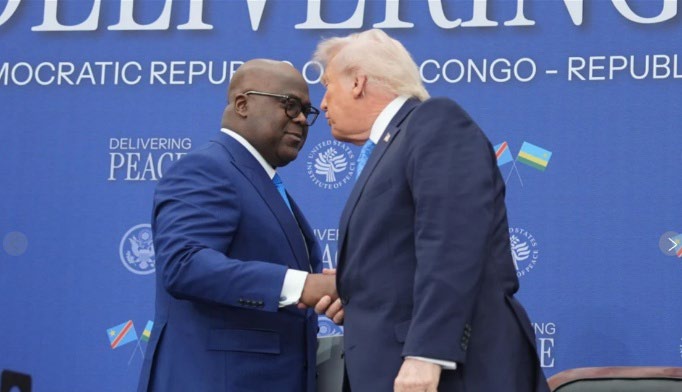
In early February 2026, political opposition voices in the Democratic Republic of Congo intensified criticism of a proposed mineral agreement with the United States, framing it as a potential concession of strategic assets without sufficient national oversight. According to reporting by AP News, critics questioned the transparency of negotiations and the long-term implications for state control over critical minerals such as cobalt and copper. The agreement is understood to form part of Washington’s broader effort to diversify supply chains and reduce dependency on concentrated processing hubs, particularly in Asia.
Sovereignty, Transparency, and Revenue Governance
Opposition figures argue that any restructuring of mineral commercialization or partnership frameworks must prioritize fiscal transparency, parliamentary oversight, and equitable revenue management. Concerns center not only on ownership structures but also on whether the Congolese state will retain effective leverage over pricing, marketing channels, and downstream value capture. In a country where mineral wealth has historically coexisted with governance fragility, the legitimacy of such agreements depends heavily on procedural clarity and public accountability. The debate underscores how mineral diplomacy increasingly intersects with domestic political stability.
Geopolitics Meets Institutional Capacity
The episode highlights a structural reality in the global critical-minerals landscape: international competition for supply security must align with credible national governance frameworks. For external partners, including the United States, long-term access depends on agreements that withstand domestic political cycles and societal scrutiny. For the DRC, strategic engagement offers diversification opportunities but also tests institutional resilience. In a context where minerals serve both economic and geopolitical functions, durable partnerships will require not only commercial logic but institutional legitimacy capable of sustaining public trust.