
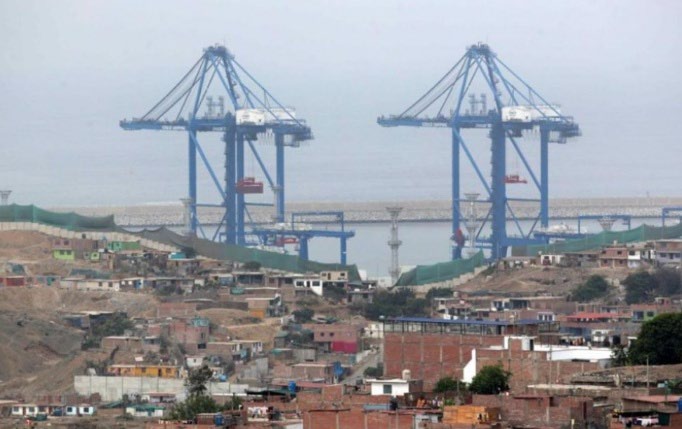
Judicial Ruling Amplifies Geopolitical Tension
A recent judicial decision in Peru allowing a Chinese state-linked operator to manage the Port of Chancay under a regulatory framework perceived as limited in direct oversight has triggered diplomatic concern from the United States. Washington has publicly warned that the governance structure surrounding the megaport could carry sovereignty and security implications, reflecting broader strategic sensitivities around Chinese-backed infrastructure in Latin America. The Port of Chancay, positioned as a major logistics hub on the Pacific coast, is designed to significantly enhance maritime connectivity between South America and Asia.
Commercial Expansion Meets Strategic Competition
The port represents one of the most significant Chinese infrastructure investments in Peru, intended to modernize trade corridors, reduce shipping times, and strengthen regional export capacity. From a commercial perspective, Chancay could alter logistics dynamics for mineral exports, agricultural goods, and container traffic across the Pacific. However, the scale of foreign operational control has elevated scrutiny from external actors who view maritime infrastructure as strategically consequential. The tension illustrates how large-scale infrastructure projects increasingly operate at the intersection of economic modernization and geopolitical competition.
Institutional Oversight as the Decisive Variable
For Peru, the central challenge lies in maintaining regulatory sovereignty and transparent governance while preserving an open investment environment. The long-term viability of Chancay will depend less on geopolitical rhetoric and more on the robustness of national oversight mechanisms, contractual clarity, and institutional accountability. In a global environment where ports serve both commercial and strategic functions, infrastructure governance becomes a determinant of diplomatic balance. Peru’s ability to demonstrate operational transparency and sovereign control will shape how Chancay is perceived—not only as a trade gateway, but as a test case for infrastructure legitimacy in an era of competing global influence.