
Re-engagement Through Hydrocarbon Development
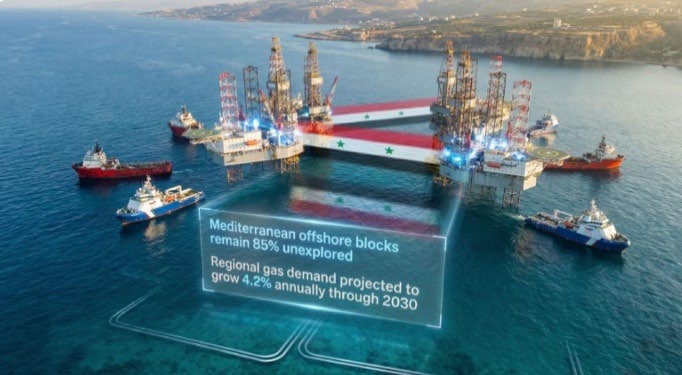
In February 2026, developments surrounding a potential energy partnership involving Chevron signaled renewed efforts to revive segments of Syria’s hydrocarbon infrastructure. The initiative reflects a broader attempt to stabilize and rehabilitate upstream and offshore energy assets after years of disruption. Re-engagement with an international operator suggests an effort to attract technical expertise, capital, and operational standards necessary to restore production capacity and modernize infrastructure networks.
Infrastructure Rehabilitation Within a Fragile Context
Energy infrastructure in post-conflict environments presents layered challenges. Reviving exploration and production activity requires regulatory clarity, contractual security, and physical asset rehabilitation. It also depends on navigating sanctions regimes, political uncertainty, and international scrutiny. The involvement of a major energy company can provide operational credibility and signal incremental normalization, yet long-term viability hinges on predictable governance frameworks and enforceable agreements.
Balancing Energy Revival and Institutional Legitimacy
Reconstruction through energy partnerships carries strategic implications beyond production volumes. Hydrocarbon revenues often underpin fiscal stabilization and public-service recovery, but they must be integrated into transparent revenue-management systems to avoid reinforcing structural fragility. For international partners, reputational and compliance considerations remain central. The broader test is whether infrastructure revival can proceed within a framework that balances economic reconstruction with institutional accountability. In fragile contexts, energy projects function not only as economic catalysts, but as indicators of governance resilience and policy direction.