South–South Alignment within Global Diversification
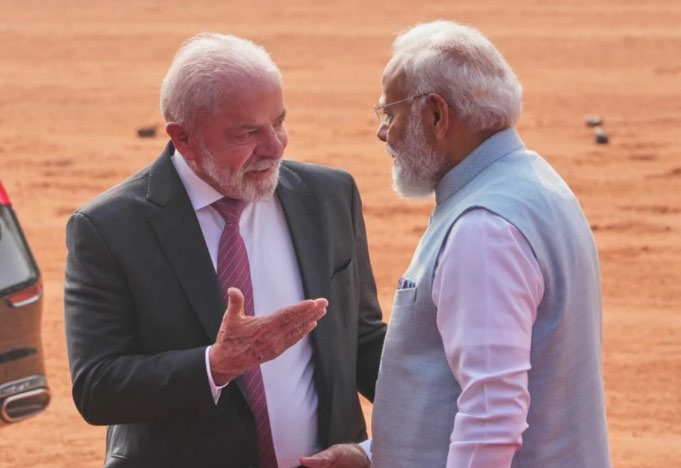
The memorandum of understanding between Brazil and India on rare earths and critical minerals reflects a growing trend of South–South cooperation aimed at reducing exposure to concentrated supply chains. Both countries possess significant mineral endowments and industrial ambitions yet historically relied on external processing hubs for value-chain integration. Their agreement signals a mutual interest in strengthening exploration, investment, and potentially downstream collaboration in refining and technology development.
Complementary Resource and Industrial Profiles
Brazil’s geological reserves—including rare earth elements, niobium, and lithium—provide upstream scale, while India’s expanding manufacturing base and strategic technology ambitions create downstream demand. Cooperation could facilitate knowledge exchange, joint ventures, and supply-chain integration that bypasses traditional dependency patterns. While details of implementation remain to be defined, the partnership aligns with broader multipolar dynamics in which emerging economies seek greater autonomy within strategic mineral markets.
Strategic Autonomy and Execution Risk
The durability of the initiative will depend on regulatory harmonization, financing capacity, and processing infrastructure development. Rare earth supply chains are capital-intensive and technologically complex, particularly at the separation and magnet-production stages. If successfully operationalized, Brazil–India cooperation could incrementally dilute concentration risk in global rare earth markets. If not, it risks remaining declarative diplomacy without structural impact on supply-chain configuration.
Brazil, India, Issue 36, Mining & Critical Minerals
Brazil and India Deepen Cooperation on Rare Earths and Critical Minerals