
Title: Making or Breaking Social License to Operate in the Mining Industry: Factors of the Main Drivers of Social Conflict
Author/Institution: S. Cesar et al., Journal of Cleaner Production
Publication Year: 2021
Identifying the Roots of Mining Conflict
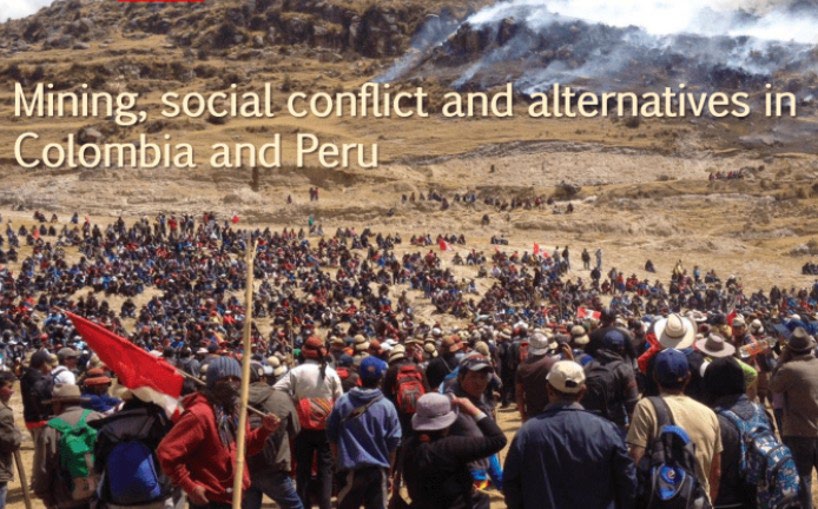
Cesar and colleagues analyze recurring patterns of social conflict in mining jurisdictions, identifying trust deficits, perceived inequity in benefit distribution, and environmental risk perception as primary drivers of community resistance. Their research underscores that conflict rarely emerges solely from environmental concerns; rather, it arises when stakeholders perceive decision-making processes as exclusionary or when promised development benefits fail to materialize. The study situates SLO breakdowns within governance gaps rather than isolated operational incidents.
Trust as a Central Variable
The authors emphasize that trust operates as a cumulative social asset built over time through transparency, accountability, and consistent communication. Once eroded, rebuilding trust is costly and often politically complex. In several case studies, judicial intervention, regulatory suspension, or community blockades occurred only after prolonged engagement failures. This aligns with contemporary disputes in mining regions where courts, regulators, and civil society step in when governance mechanisms falter.
Institutional Lessons for Contemporary Mining
Cesar et al. suggest that mining firms operating in socially sensitive regions must adopt continuous legitimacy monitoring frameworks, integrating social risk indicators alongside financial and operational metrics. Their findings imply that preventing conflict is less about crisis management and more about embedding fairness, transparency, and participation into institutional design. In the context of rising stakeholder mobilization globally, the study reinforces that SLO fragility can directly affect project timelines, cost structures, and national investment climates.