Energy Coordination as Strategic Architecture
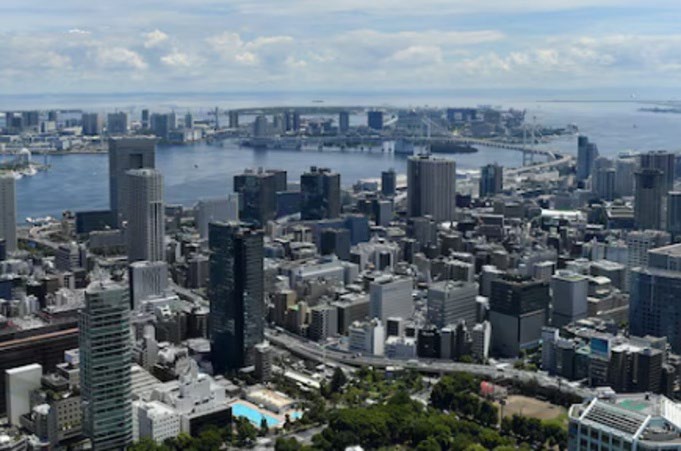
The announcement of an Indo-Pacific Energy Security Ministerial and Business Forum in Tokyo reflects a deliberate effort by the United States to embed energy infrastructure coordination within a broader regional security framework. By convening government officials, investors, and industry leaders, the initiative seeks to align policy priorities across LNG supply chains, grid modernization, renewable deployment, and strategic fuel reserves. Energy security in the Indo-Pacific is increasingly framed not solely as a domestic supply issue, but as a multilateral resilience architecture designed to reduce systemic vulnerability across interconnected economies.
Infrastructure Financing and Supply Chain Diversification
The forum is expected to emphasize financing mechanisms for cross-border infrastructure projects, including LNG terminals, power transmission corridors, and clean energy installations. Diversifying fuel sourcing—particularly natural gas and advanced renewables—remains central to reducing dependency on single suppliers or chokepoint routes. Coordinated infrastructure investment can strengthen maritime energy logistics and reinforce redundancy within regional supply systems. However, aligning capital commitments among countries with varied fiscal capacities and regulatory frameworks presents operational complexity.
Energy Security within Geopolitical Competition
The Indo-Pacific initiative unfolds within a broader strategic competition environment, where energy routes and infrastructure nodes intersect with maritime security and trade corridors. By integrating energy discussions into diplomatic platforms, Washington signals that supply resilience and geopolitical alignment are increasingly intertwined. The long-term impact of the forum will depend on whether commitments translate into bankable projects and interoperable systems. Durable regional energy security will ultimately require not only policy coordination, but sustained infrastructure delivery across participating economies.
Energy & Infrastructure, Issue 36, USA
Indo-Pacific Energy Security Forum Signals Infrastructure Diplomacy