Illicit Resource Extraction as a Trigger for Local Instability
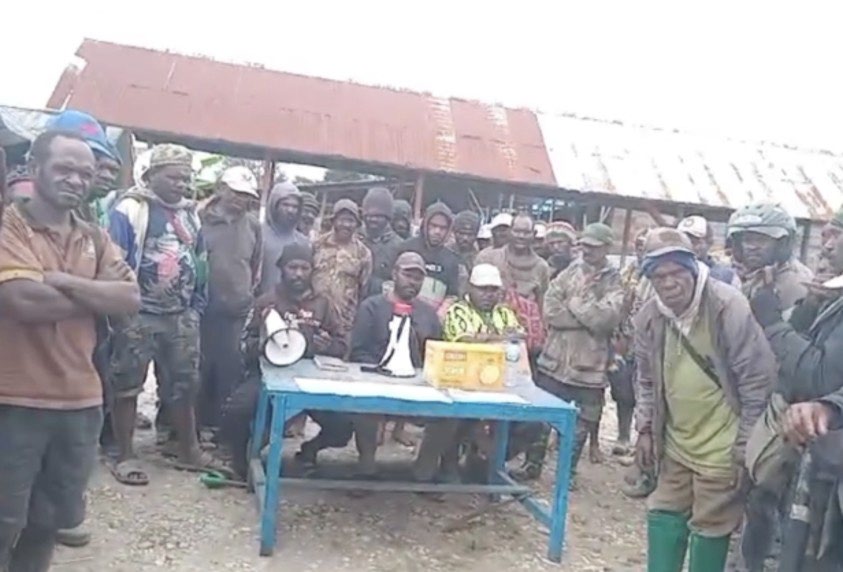
In Central Papua’s Kapiraya region, longstanding disputes over gold-rich land have escalated into violent clashes involving customary communities and illegal mining actors as well as tensions among local groups asserting territorial rights. This boundary dispute, which had its origins in administrative boundary changes and competing claims over mineral-bearing areas, has increasingly involved unlicensed mining activities that operate outside formal regulatory frameworks. As illegal gold extraction intensifies, tribal affiliations and logistical rivalries have magnified the conflict, leading to burns of district facilities, airstrip closures, and community displacement, underscoring how unauthorized extraction activities can intersect with social fault lines in resource zones.
Governance Gaps in Mining Regulation and Local Participation
The situation in Kapiraya reflects weaknesses in both formal licensing systems and traditional stakeholder consultation processes. Local authorities have struggled to balance customary land rights, resource governance, and economic aspirations. Illegal miners, lacking formal permits, exploit regulatory vacuums while contributing to environmental degradation and undermining legitimate community interests. In response to the escalation, provincial leadership has called for inclusive stakeholder engagement involving regency officials and local populations, and the regional police command has ordered the removal of heavy illegal mining equipment. These developments illustrate that enduring stability in mining regions often hinges on inclusive governance arrangements that integrate community consent, environmental protection, and legal accountability.
Institutional Response and the Challenge of Enforcement
The February 2026 escalation has prompted both civil and government actors to seek mitigation strategies. Provincial authorities have directed joint teams from adjacent regencies to address boundary concerns, while police directives mandate the withdrawal of unlicensed mining machinery. Environmental advocacy groups have accused external actors of stirring conflict to seize land for illegal operations, highlighting the role that non-state investors can play in fueling local discord. The conflict underscores broader regulatory challenges Indonesia faces in reconciling its ambitious mineral potential with the imperative of establishing robust frameworks for stakeholder participation, community consent, and rule-based mining governance.
Indonesia, Issue 36, License to Operate (LTO) Conflicts
Indonesia (Papua) — Escalating Illegal Gold Mining Conflict and Local Clashes