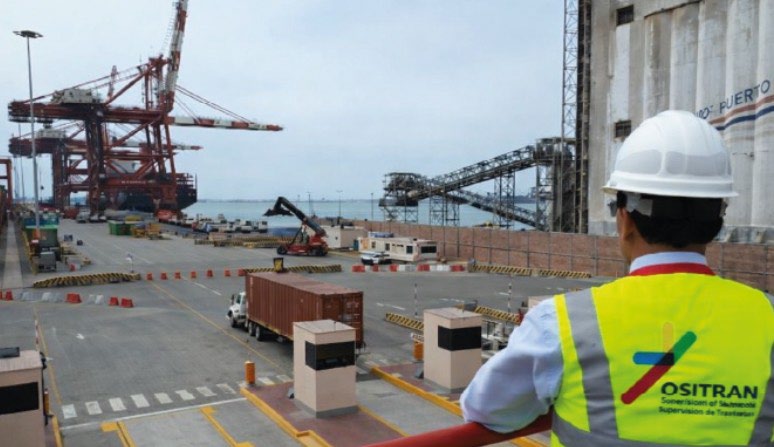
Defense of Regulatory Mandate
Ositrán’s decision to formally appeal the judicial ruling affecting its oversight authority at the Port of Chancay signals an institutional effort to safeguard its statutory mandate. The regulator argues that limiting its supervisory role risks weakening the mechanisms designed to ensure transparency, tariff reasonableness, and service quality within concessioned infrastructure. By challenging the ruling, Ositrán is not only defending procedural authority but also reinforcing the principle that strategic transport infrastructure must remain subject to independent technical regulation.
Strategic Infrastructure under Institutional Scrutiny
Chancay is more than a port; it represents a flagship logistics platform intended to reposition Peru within Asia–Pacific trade flows. Given its scale and international relevance, regulatory clarity becomes essential for maintaining both investor confidence and user protection. Ositrán’s appeal reflects concern that ambiguities in oversight could undermine competitive neutrality and distort market incentives. In large infrastructure concessions, predictable regulatory frameworks are critical to balancing concessionaire efficiency with public-interest safeguards.
Governance Credibility and Long-Term Stability
The appeal places Peru’s infrastructure governance model under renewed scrutiny. If the judicial process ultimately reaffirms Ositrán’s supervisory competence, it may strengthen institutional credibility and signal regulatory stability to domestic and international stakeholders. Conversely, prolonged uncertainty could introduce reputational risk at a time when Peru seeks to attract large-scale capital into ports, transport corridors, and energy projects. The outcome will therefore shape not only Chancay’s operational governance, but broader perceptions of Peru’s capacity to manage strategic infrastructure under a coherent rules-based framework.
Energy & Infrastructure, Issue 36, Peru
Ositrán Appeals Judicial Ruling and Reasserts Its Supervisory Role at Chancay Port