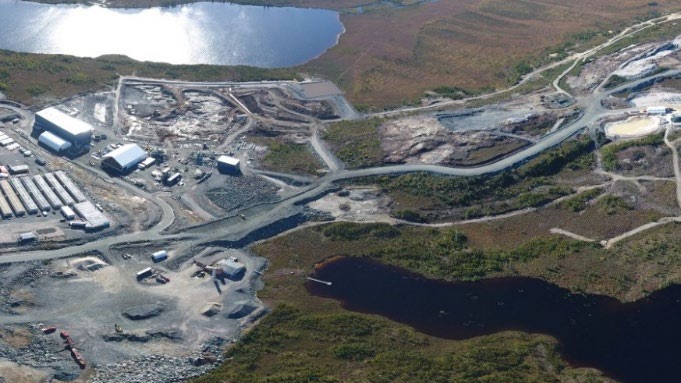
Vertical Integration in a Rebalancing Lithium Market
Rio Tinto’s expanded control over Quebec-based Nemaska Lithium and its planned investment of up to US$300 million into lithium hydroxide processing reflects a deliberate move toward vertical integration within North America’s battery ecosystem. As lithium markets transition from acute scarcity toward moderated price conditions, large, diversified miners are positioning themselves to capture value not only at the extraction stage but also in chemical conversion. The investment reinforces Canada’s ambition to serve as a strategic node in the North American electric vehicle supply chain.
Quebec as a Processing Anchor
Nemaska’s planned hydroxide facility in Quebec benefits from proximity to automotive manufacturing corridors and access to relatively stable energy infrastructure. Canada’s policy environment—supported by federal incentives and alignment with U.S. industrial strategy—strengthens the investment case for localized processing capacity. By integrating mining and chemical production within a single corporate structure, Rio Tinto reduces exposure to third-party refining bottlenecks and aligns with Western governments’ push for domestic value-chain consolidation.
Strategic Buffer against Concentrated Refining Capacity
While China retains dominant lithium conversion capacity globally, incremental North American processing reduces vulnerability to external shocks and geopolitical friction. The Nemaska expansion contributes to building a regional supply buffer, even if overall volumes remain modest relative to global demand growth. The long-term significance will depend on cost competitiveness, technological efficiency, and sustained policy coordination across Canada and the United States. The investment signals that major mining houses are recalibrating toward resilience, not just scale.
Canada, Issue 36, Mining & Critical Minerals
Rio Tinto Expands Control over Nemaska, Reinforcing North American Lithium Strategy