
Geopolitics Reshaping Infrastructure Priorities
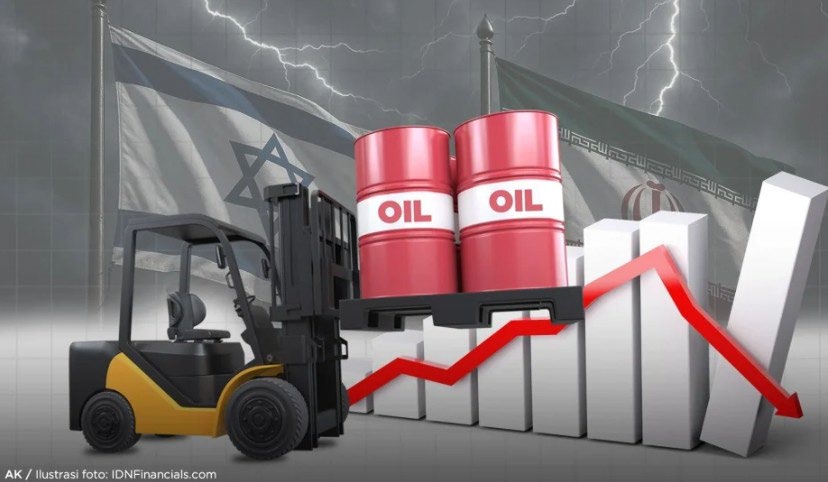
Rising geopolitical tensions, particularly in the Middle East, are reinforcing energy security as a central priority in global infrastructure planning. Governments and energy companies are increasingly factoring geopolitical risk into long-term investment decisions, recognizing that energy systems are deeply exposed to disruptions in politically sensitive regions. The recent escalation involving Israel and Iran has revived concerns about the vulnerability of supply corridors and critical energy assets, prompting renewed attention to the resilience of global energy networks.
Diversification of Energy Routes and Systems
In response to these risks, countries are accelerating investments aimed at diversifying energy supply routes and strengthening domestic energy systems. Infrastructure projects now increasingly focus on expanding LNG terminals, developing alternative pipeline routes, enhancing electricity grid interconnections, and scaling renewable energy capacity. These investments are designed not only to support the energy transition but also to reduce dependence on single suppliers or geographically concentrated export corridors.
Strategic Infrastructure as a Pillar of Energy Resilience
Energy infrastructure—ranging from pipelines and LNG terminals to transmission networks and storage facilities—is becoming a strategic pillar of national economic security. The growing intersection between geopolitics and energy markets is reshaping infrastructure strategies worldwide, as governments seek to balance decarbonization objectives with supply stability. In this context, the Israel–Iran confrontation underscores how geopolitical dynamics can accelerate structural shifts in global energy investment and infrastructure planning.