
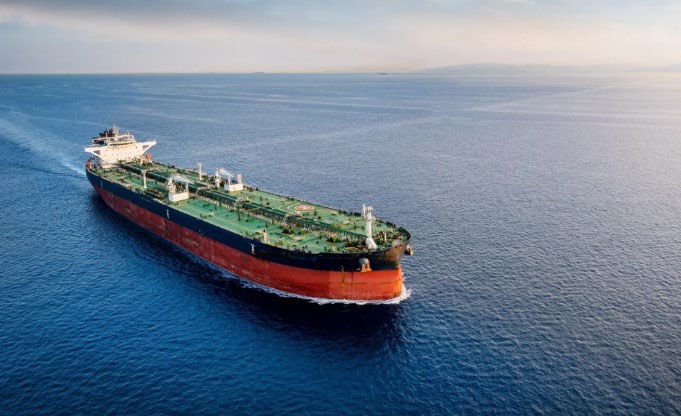
Strategic Chokepoint at the Center of Global Energy Trade
Rising geopolitical tensions between Israel and Iran have renewed attention on the Strait of Hormuz, one of the most critical maritime chokepoints for global energy trade. Roughly one-fifth of the world’s oil supply and a substantial share of liquefied natural gas shipments transit through this narrow corridor connecting the Persian Gulf with international markets. Any disruption to maritime traffic in this area carries immediate implications for energy security, given the limited availability of alternative shipping routes capable of replacing its capacity.
Market Sensitivity to Geopolitical Risk
Even without a direct blockade or sustained disruption of tanker traffic, escalating military tensions have already pushed energy markets upward. Oil prices have risen amid growing concerns that further escalation could threaten shipping lanes or key energy infrastructure in the Gulf region. European natural gas markets have also shown increased volatility, reflecting fears that geopolitical instability could affect LNG shipments and intensify competition for available cargoes.
Energy Security and Infrastructure Diversification
The renewed risk surrounding the Strait of Hormuz highlights the strategic importance of diversifying global energy supply routes and strengthening infrastructure resilience. Governments and energy companies are increasingly investing in alternative export corridors, expanded LNG capacity, and domestic energy production to mitigate exposure to geopolitical chokepoints. The evolving situation illustrates how regional conflicts can rapidly influence global energy markets and reshape long-term infrastructure planning in the energy sector.