
Geopolitical Escalation and Energy System Vulnerability
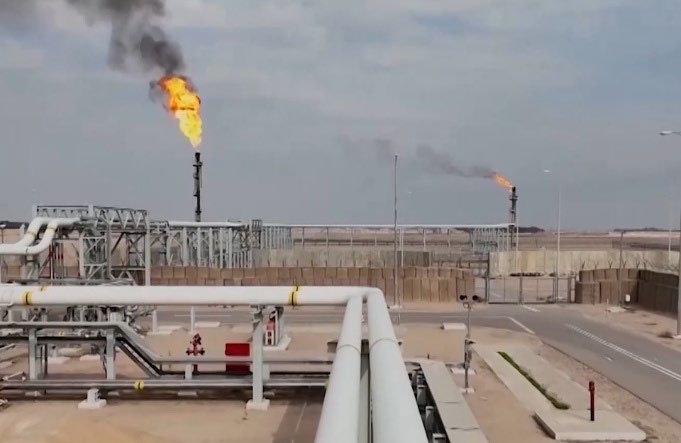
Escalating military tensions between Israel and Iran have begun to affect critical energy infrastructure across the Middle East, exposing the structural vulnerability of global energy systems to geopolitical conflict. Reports of drone strikes, retaliatory attacks, and precautionary shutdowns have disrupted operations in key oil and gas facilities, including offshore gas fields and export infrastructure in the Gulf region. Although the physical damage remains limited in several cases, the incidents have heightened market sensitivity to potential disruptions across one of the world’s most strategically important energy corridors.
Market Reactions and Supply Chain Sensitivity
Energy markets reacted immediately to the growing geopolitical risk. Oil prices climbed above recent trading ranges while natural gas prices in Europe registered noticeable volatility, reflecting investor concerns over possible interruptions to supply flows from the Middle East. Even short-term disruptions or temporary production halts can trigger price spikes due to the region’s central role in global oil exports and liquefied natural gas shipments. The market response underscores how geopolitical instability can rapidly translate into energy price volatility.
Strategic Implications for Global Energy Security
The incidents reinforce broader concerns about the resilience of global energy infrastructure concentrated in geopolitically sensitive regions. As governments and energy companies reassess supply security, the conflict may accelerate efforts to diversify energy routes, expand LNG infrastructure, and strengthen domestic energy systems in importing regions. In this context, the Israel–Iran confrontation illustrates how geopolitical tensions increasingly intersect with global energy security and long-term infrastructure planning.