
Mine Collapse Highlights Risks in Artisanal Mining Sector
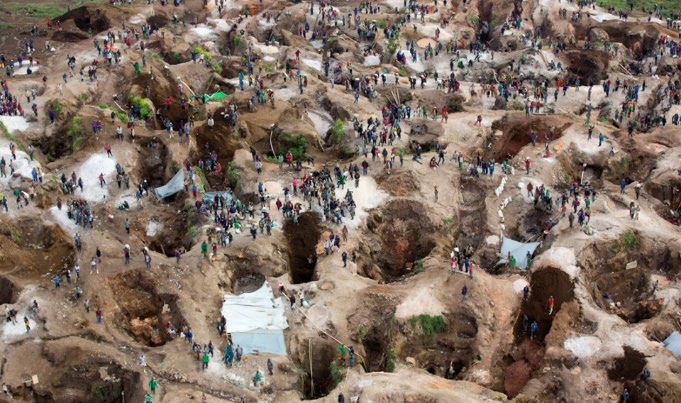
On March 3–4, 2026, reports emerged of a major mine collapse in the Rubaya coltan mining area of eastern Democratic Republic of Congo, resulting in significant casualties among artisanal miners. The incident once again exposed the extreme safety risks associated with informal mining operations that often take place without adequate regulatory oversight, safety standards, or environmental safeguards. Rubaya is one of the region’s most important coltan extraction zones, supplying minerals used in global electronics and technology supply chains.
Informal Mining and Weak Regulatory Enforcement
Artisanal mining provides livelihoods for thousands of workers in the region but operates largely outside formal regulatory frameworks. Limited state presence, weak enforcement capacity, and the involvement of armed groups in some mining areas have created complex governance challenges. These conditions frequently result in unsafe working environments, unregulated extraction practices, and significant human and environmental risks.
Supply Chain Governance and Social Responsibility Under Scrutiny
The tragedy has renewed international debate over the governance of critical mineral supply chains linked to artisanal mining in the DRC. Companies sourcing minerals from the region face increasing pressure to ensure that supply chains meet higher standards of safety, transparency, and human rights protection. The episode highlights the broader challenge of integrating artisanal mining communities into formalized systems that protect workers while maintaining responsible sourcing practices in global mineral markets.