
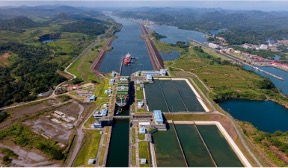
On September 3, 2025, Panama announced plans to develop an interoceanic gas pipeline corridor, positioning the Panama Canal as not only a global shipping route but also a key energy hub. President José Raúl Mulino confirmed during an official visit to Japan that the prequalification process for bidders is already underway, with a concessionaire expected to be chosen by late 2026. The project aims to diversify Panama’s revenue sources beyond traditional canal tolls and leverage its geographic position to strengthen participation in global energy markets.
The proposed gas pipeline would allow Panama to handle energy flows more efficiently, serving both regional and global needs. By creating infrastructure that links the Atlantic and Pacific coasts for natural gas transport, the country seeks to reduce reliance on maritime-only energy logistics while enhancing energy security for Central America. Strategically, it would enable Panama to respond to shifting global demand, particularly as Asia and the Americas seek more flexible energy supply chains in the face of volatile markets.
Still, the initiative faces challenges that could determine its success. Environmental safeguards will need to be carefully managed given the ecological sensitivity of the canal zone, while regulatory transparency and social acceptance will be critical in building trust. Communities and civil society groups are already expected to scrutinize the potential impacts. If executed responsibly, the interoceanic gas pipeline could transform Panama’s role in energy geopolitics, expanding its infrastructure influence and ensuring that the canal remains central to both global trade and future energy development.