
Restoring Carbon-Free Baseload Capacity in a High-Demand Era
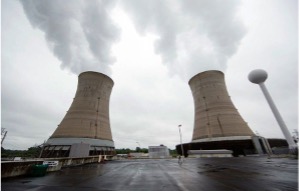
In November 2025, the U.S. Department of Energy (DOE) approved a US$1 billion loan to Constellation Energy for the restart of the formerly-mothballed Unit 1 reactor at the Three Mile Island site in Pennsylvania—a facility with an 835-megawatt capacity, enough to power roughly 800,000 homes. This move signals a renewed U.S. focus on nuclear power as a strategic, low-carbon backbone for infrastructure, especially given rising demand from artificial-intelligence data centers and grid reliability pressures.
Financing Nuclear in the Modern Era
The loan is issued under the DOE’s Loan Programs Office, which now holds over US$250 billion in capital earmarked for large infrastructure and energy projects. Constellation will invest approximately US$1.6 billion for the refurbishment, including upgrading turbines, generators, cooling systems and grid- connection works. The fact that the project qualifies for this level of government support underscores how nuclear is being repositioned in the U.S. as not just carbon mitigation, but also industrial-scale infrastructure for the technology economy.
Strategic Implications: Beyond Pennsylvania
From a regional and global perspective, the restart of Three Mile Island has broader ramifications: it demonstrates a path for revitalizing legacy nuclear assets rather than building entirely new ones— potentially shortening timelines, reducing costs and leveraging existing infrastructure. For operators worldwide, it signals that nuclear can be part of decarbonization and resilience strategies, not just renewables. Critically, by securing a long-term offtake deal (for example with major tech firms), the project aligns power provision with the digital economy’s massive energy demands. For infrastructure and energy watchers, the story highlights