
A Growing Market Hidden in Plain Sight
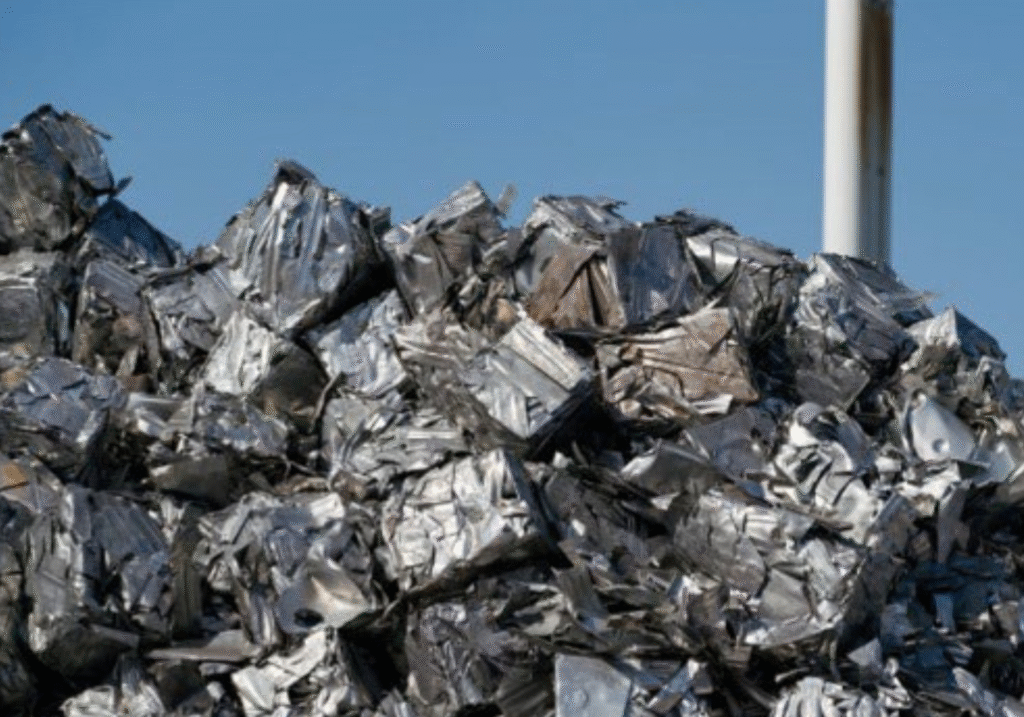
As governments race to secure the minerals essential for clean-energy technologies, aluminum scrap—long treated as a low-value by-product of industrial activity—has suddenly moved to the center of strategic debates. A Reuters investigation from Lagos’ recycling hubs illustrates how rising global demand for lightweight metals, EV components, and grid infrastructure is transforming scrap into a high-stakes commodity. What was once informal, small-margin activity is now attracting traders, refiners, and metal processors from Europe, Asia, and the Middle East, all competing for access to increasingly scarce secondary aluminum streams.
Recycling as a Competitive Advantage
The sudden attention reflects a deeper structural shift: recycling has become one of the most efficient ways to secure metal supply without the environmental and political burdens of new mining. Producing aluminum from scraps requires a fraction of the energy used to refine it from bauxite, making it economically appealing at a time of volatile electricity prices. Countries and companies with organized recycling sectors can reduce import dependence, stabilize supply for manufacturing, and lower exposure to geopolitical disruptions. The scramble observed in Nigeria mirrors similar dynamics emerging in India, Brazil, and Southeast Asia, where informal recyclers are being pulled into global value chains at unprecedented speed.
Why This Development Matters for the Global Economy
The rise of aluminum scrap as a strategic resource signals a broader transformation in how the world thinks about minerals. As demand accelerates beyond what primary mining can supply, the circular economy is no longer an environmental preference, it is an economic necessity. A more competitive market for recycled metals can ease pressure on supply chains, reduce price volatility, and extend the lifespan of critical industrial inputs. For global markets, this shift also redistributes influence: countries with robust recycling ecosystems gain strategic relevance, while those dependent solely on raw imports face growing vulnerability. In an era defined by mineral scarcity, the battlefield is expanding—not just across mines and processing plants, but across scrapyards, urban waste streams, and the overlooked reservoirs of the global industrial system.