
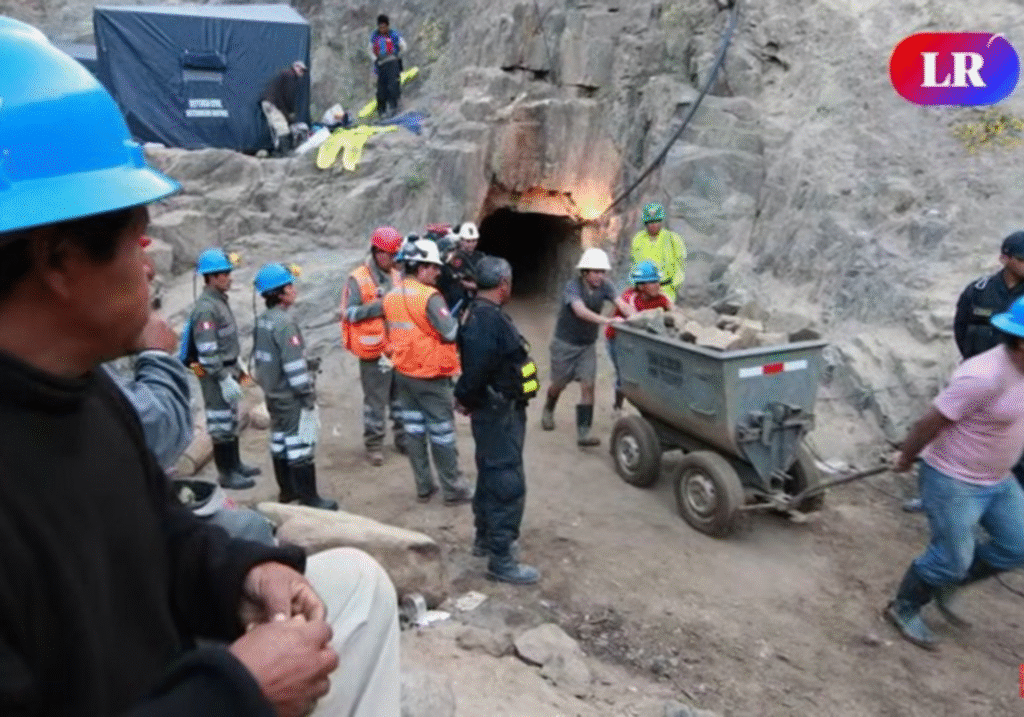
An analytical review published in late November highlights a trend that has grown increasingly visible across Peru: community opposition is becoming a decisive factor in whether mining rights are granted, renewed or operationalized. In several regions—most notably Ayacucho, Apurímac and Cajamarca—local groups have used assemblies, municipal resolutions and coordinated protests to challenge exploration permits and expansion plans. Even early-stage projects that technically comply with national regulations are encountering delays, reflecting a shift in which social acceptance is now a prerequisite for progressing any mining investment.
Regulatory Frameworks Struggle to Balance Competing Expectations
The analysis underscores how Peru’s current permitting architecture is being tested by competing demands. Companies emphasize that regulatory uncertainty and prolonged consultations increase operational risk, while many communities argue that their concerns about water security, land use and prior commitments have been ignored for years. In this context, environmental impact assessments and consultation processes—originally designed to build legitimacy—are often perceived as procedural formalities rather than tools for genuine dialogue. The gap between formal approvals and social acceptance has widened, revealing institutional weaknesses that allow disputes to escalate before constructive negotiation begins.
A New Reality for License to Operate in Peru’s Mining Regions
The evolving dynamics matter because they signal a structural change in how Peru’s mining sector secures and maintains its License to Operate. Local stakeholders are no longer passive observers but active decision-makers who can influence investment timelines, project design and even national policy debates. As global buyers raise expectations on traceability and responsible sourcing, companies operating in Peru face not only technical and regulatory hurdles but increasing pressure to demonstrate meaningful engagement, transparent benefit-sharing and long-term territorial commitments. In a country where mining is central to fiscal stability and export growth, the durability of future projects will depend less on geology and more on the quality of relationships built in the territories where mining takes place