
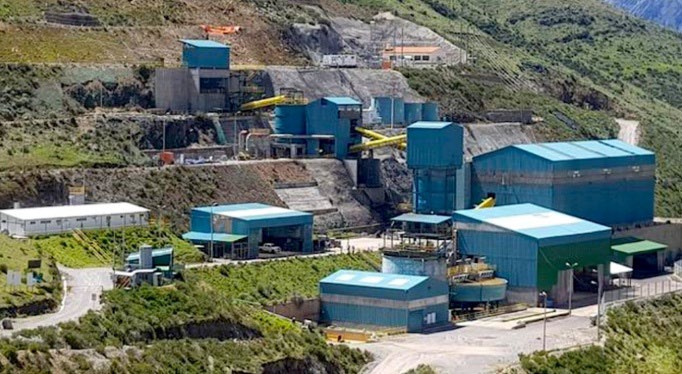
Repositioning Legacy Assets in a High-Demand Market
In late 2025, Excellon Resources announced plans to advance the reactivation of the Mallay Mine in central Peru, supported by new geological interpretations indicating deeper continuity of its gold–silver system. The move reflects a broader global trend: as demand tightens and new projects face long development timelines, mining companies are increasingly reassessing brownfield assets where infrastructure is in place and geological understanding has improved. In this context, Mallay represents an opportunity to generate near- to medium-term supply by building on existing foundations.
From Technical Readiness to Integrated Project Execution
Mallay combines several attractive characteristics—prior production history, multi-stage mineralization, and defined exploration upside below historically mined levels. Beyond geology, advancing a restart involves updating permitting, aligning environmental management, and engaging local stakeholders. These elements are now integral parts of modern project development, particularly in mature mining jurisdictions like Peru. Rather than obstacles, they represent mechanisms through which brownfield projects can be repositioned for long-term viability and shared value creation.
Why Brownfield Restarts Matter for Peru’s Mining Strategy
Mallay’s potential reactivation highlights the strategic role that brownfield projects can play in Peru’s mining portfolio. Successfully bringing legacy assets back into production can help sustain national output, reduce the need for greenfield development in the short term, and reinforce Peru’s reputation as an efficient and reliable mining jurisdiction. Viewed through this lens, Mallay is less about reviving the past and more about demonstrating how existing assets can be integrated into the next phase of Peru’s mining growth in a constrained global supply environment.