
Critical Minerals at the Center of Africa’s Transition Role
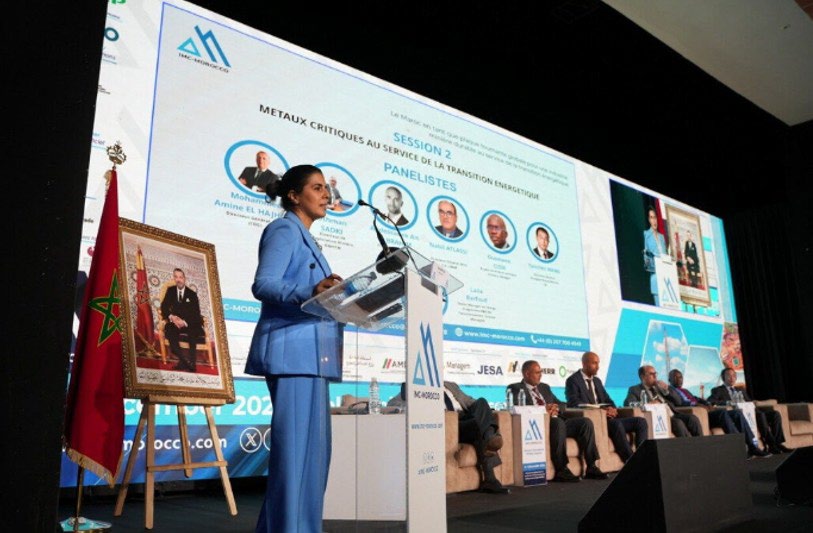
In late November 2025, policymakers, industry leaders, and experts across Africa reinforced a shared message: the continent’s mining sector is poised to play a central role in the global green-energy transition. Africa’s endowment of copper, cobalt, manganese, graphite, lithium, and other transition-critical minerals positions it as a strategic supplier for renewable energy systems, battery technologies, and low-carbon infrastructure. This moment presents an opportunity for mining to support industrial development and stronger integration into global clean-energy value chains.
Embedding Sustainability into Scale-Up Efforts
At the same time, discussions emphasized the importance of embedding sustainability into the expansion of mining activity. Environmental protection, water management, biodiversity preservation, worker safety, and community engagement were highlighted as essential components of responsible growth. The transition to clean energy, participants noted, cannot rely on practices that generate new social or environmental pressures. Strengthening regulatory capacity, formalization, and transparent governance frameworks is therefore seen as integral to unlocking the sector’s full potential.
Why Governance Will Shape Africa’s Competitive Advantage
As global demand for critical minerals accelerates, Africa’s long-term competitiveness will depend on how effectively mineral wealth is transformed into inclusive and durable development. Beyond extraction, this implies investment in local processing, skills development, and institutional coordination that supports traceable and responsibly sourced minerals. In this context, sustainability is not a constraint on Africa’s mining future, but a differentiator—one that can enhance trust, attract long-term investment, and position the continent as a reliable partner in the clean-energy economy.