
Concerns Emerge Around a Flagship Critical-Minerals Infrastructure Project
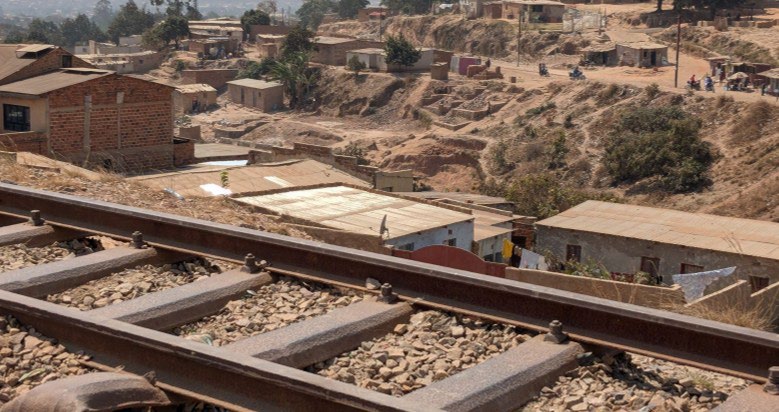
During the first week of December 2025, civil society organizations and international observers raised concerns about potential displacement linked to the EU-supported Lobito Corridor, a major rail and logistics initiative running through the southern Democratic Republic of Congo (DRC). Designed to transport copper, cobalt, and other critical minerals to global markets, the project is positioned as a strategic pillar of Europe’s effort to diversify supply chains away from Asia. However, early assessments suggest that up to 6,500 people—including farmers, informal traders, and peri-urban households—could face relocation as project works advance.
Land Rights, Community Engagement, and Safeguards Under Scrutiny
Reports highlight gaps in the corridor’s initial consultation process, noting that several communities along the planned right-way have limited information about compensation schedules, livelihood restoration, or mechanisms for grievance redress. Analysts warn that without stronger safeguards; the project may replicate long-standing patterns in the DRC where large-scale infrastructure advances faster than social protection frameworks. The situation is further complicated by ambiguous land-tenure arrangements and the presence of artisanal mining zones that overlap with the project footprint, adding layers of economic vulnerability.
What This Signals for Responsible Infrastructure and Mineral Supply Chains
The concerns surrounding the Lobito Corridor point to a broader lesson for global critical-minerals governance: strategic infrastructure cannot be considered sustainable if social risks are treated as secondary issues. For Europe, the initiative’s credibility depends on demonstrating that its diversification strategy aligns with human-rights and development standards—not just geopolitical supply needs. For the DRC, the case illustrates the importance of embedding clear safeguards, transparent compensation mechanisms, and inclusive community engagement into all major mineral-linked infrastructure. The long-term integrity of the corridor—and the partnerships behind it—will hinge on whether displacement risks are addressed with rigor, fairness, and accountability.