
Resource Endowment as a Development Lever
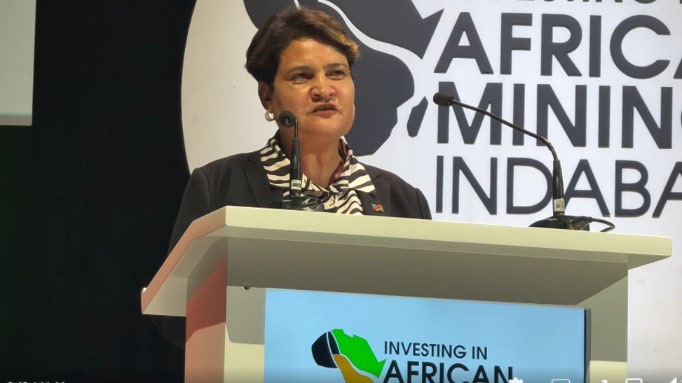
In early February 2026, Namibia’s Minister of Mines and Energy, Hon. Gaudentia Kröhne, described the country as standing “at the threshold of a new phase where resources fuel industrial growth, energy security, and shared prosperity.” The statement reflects a strategic reframing of Namibia’s mineral wealth—from a source of export revenue toward a foundation for broader economic transformation.
With uranium, lithium, rare earth elements, and other critical minerals gaining global prominence, Namibia is positioning its resource base within the architecture of energy transition and supply-chain diversification.
Linking Extraction to Domestic Value Creation
The minister’s remarks underscore a policy ambition to integrate mining more directly into national development objectives. Rather than limiting the sector’s role to upstream extraction, Namibia is seeking to expand industrial linkages, encourage downstream processing where feasible, and strengthen infrastructure aligned with mineral development. Achieving this transition requires balancing investor confidence with domestic capacity-building, ensuring that regulatory stability and fiscal clarity coexist with strategic industrial goals.
From Geological Potential to Institutional Credibility
Namibia’s opportunity lies not only in its geological profile but in its institutional reputation for stability and policy coherence. As global competition intensifies for reliable critical-mineral partners, countries able to combine resource availability with governance predictability gain strategic leverage. The next phase will depend on translating political vision into operational execution—aligning infrastructure, regulatory frameworks, workforce development, and community inclusion. In a global environment where mineral supply is inseparable from geopolitical alignment, Namibia’s development trajectory will hinge on whether institutional consistency can convert resource advantage into sustained, inclusive growth.