
Multi-Country Negotiations to Secure Supply
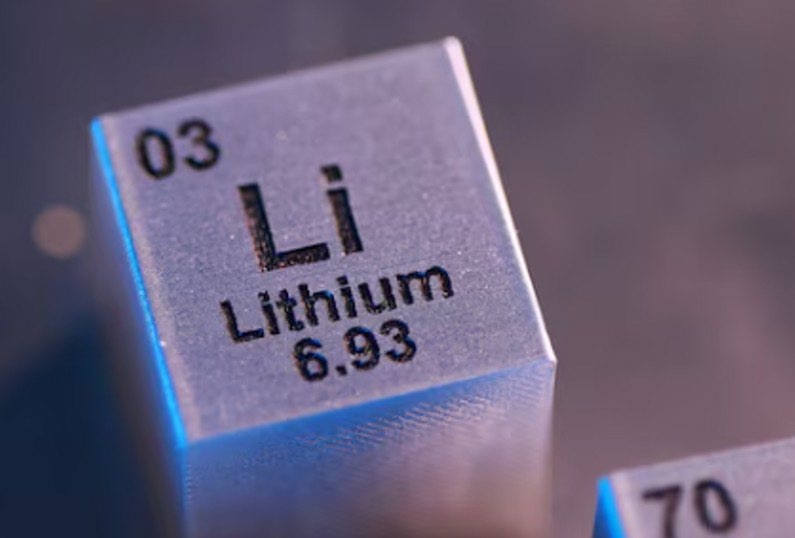
On 10 February 2026, India was reported to be in discussions with Brazil, Canada, France, and the Netherlands regarding potential cooperation agreements on critical minerals. The talks form part of a broader strategy to strengthen access to lithium, cobalt, nickel, rare earths, and other materials central to electric mobility, renewable energy systems, and advanced manufacturing. As India accelerates domestic industrial expansion, supply-chain security has become a priority within its economic and strategic policy framework.
Diversification as a Strategic Imperative
India’s outreach reflects recognition that concentrated supply chains pose structural risks. By engaging multiple jurisdictions across different regions, New Delhi is pursuing diversification rather than dependency on a single supplier bloc. The inclusion of both resource-rich producers and industrialized European partners signals a two-layered approach: upstream access to raw materials and downstream collaboration in processing, technology, and logistics. Such alignment may enhance resilience while reinforcing India’s integration into emerging mineral alliances.
Positioning Within a Fragmented Global Landscape
The negotiations underscore how critical minerals diplomacy has become a defining feature of international economic strategy. As countries seek to reduce exposure to supply-chain bottlenecks, new partnership architectures are forming across continents. For India, success will depend not only on securing agreements but on converting diplomatic intent into operational projects with predictable regulatory frameworks and long-term commercial viability. In an environment marked by geopolitical competition, sustained institutional coordination will determine whether these engagements translate into durable supply security and industrial competitiveness.