
From Compliance to Structured Community Partnership
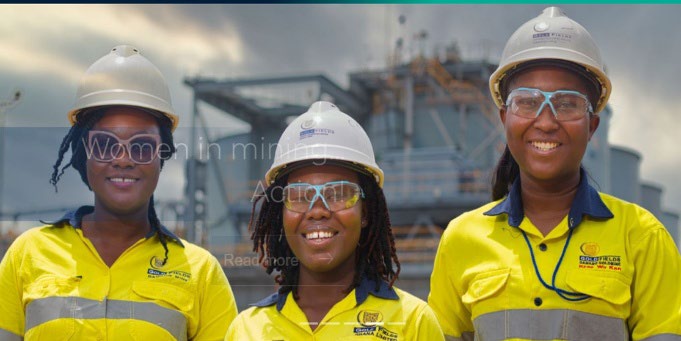
On 8 February 2026, Gold Fields Ghana outlined a renewed approach to corporate social responsibility (CSR), positioning community engagement as a core operational pillar rather than a peripheral obligation. The company emphasized strengthened partnerships with host communities, structured dialogue mechanisms, and alignment of social investment programs with local development priorities. The initiative reflects a shift from episodic project-based support toward longer-term engagement frameworks designed to enhance predictability and trust.
Institutionalizing Local Participation
The updated CSR posture highlights efforts to embed local stakeholders more directly into planning and monitoring processes. By formalizing community-development agreements, expanding grievance- resolution systems, and integrating local procurement and employment pathways, the company aims to reduce social friction and reinforce operational stability. In Ghana’s mining landscape—where community expectations and regulatory oversight remain significant—structured participation models serve as risk- mitigation instruments as much as development tools.
From License to Operate to Shared Value
The recalibration illustrates a broader sectoral evolution: license to operate increasingly depends on demonstrable social integration and transparent benefit-sharing. CSR is transitioning from reputational management toward measurable contribution to territorial prosperity. For operators, sustained production continuity is tied to durable community relationships; for host regions, the challenge is converting engagement commitments into tangible improvements in livelihoods and infrastructure. The effectiveness of this model will be assessed not by announcements, but by whether partnership frameworks translate into sustained stakeholder confidence and local economic resilience.