
Addressing Inactive Mining Titles
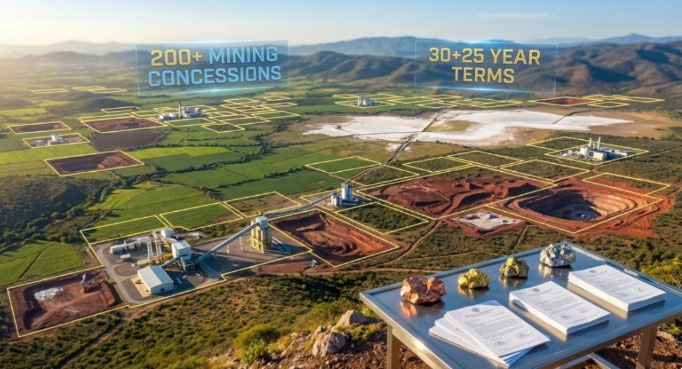
In February 2026, Mexican authorities advanced a voluntary initiative encouraging the return of more than 200 inactive mining concessions. The program is designed to regularize dormant titles through negotiated agreements rather than unilateral cancellation, aiming to reduce administrative congestion and clarify the status of underutilized mineral assets. By incentivizing voluntary relinquishment, the government seeks to create a more transparent and efficient concession registry while reopening space for new exploration activity under updated regulatory conditions.
Balancing State Authority and Investor Confidence
The initiative reflects a calibrated approach to reform. Rather than imposing sweeping revocations, authorities are pursuing structured dialogue with concession holders to avoid abrupt legal disputes that could undermine investor certainty. The effort underscores a broader policy tension: strengthening state oversight while maintaining a predictable investment climate. In jurisdictions where concession frameworks are under scrutiny, regulatory clarity becomes central to preserving both sovereign authority and capital attractiveness.
From Administrative Order to Stakeholder Stability
Reorganizing inactive concessions carries implications beyond registry housekeeping. Clear title status enhances market transparency, reduces speculative holding patterns, and supports more credible land-use planning. For communities and local governments, defined concession boundaries can also improve accountability and oversight. The long-term effectiveness of Mexico’s initiative will depend on transparent implementation, equitable negotiation processes, and consistent enforcement. In a competitive global minerals environment, regulatory coherence is increasingly foundational to sustained stakeholder trust and sectoral resilience.