Project Pipeline as Peru’s Strategic Asset
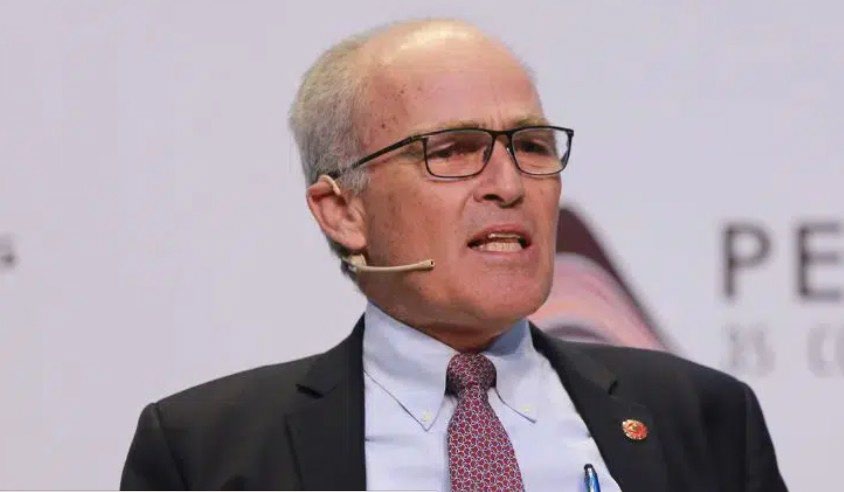
In a context of intensifying global competition for strategic minerals, Roque Benavides, Chairman of Compañía de Minas Buenaventura, underscored that Peru holds 19 of the 67 identified copper projects in the Americas—equivalent to 28.4% of the regional total—based on Wood Mackenzie data. This places Peru ahead of Canada, Chile, and the United States in terms of undeveloped copper project inventory. While the country already ranks among the top global copper producers, Benavides emphasized that Peru’s principal comparative advantage lies not only in current output but in its project pipeline, which represents latent production capacity capable of reshaping medium-term global supply dynamics if activated under favorable investment conditions.
A Comprehensive Geological System
Beyond copper, Peru’s geological endowment includes significant deposits of gold, silver, zinc, lead, and tin, positioning the country as one of the most diversified mineral systems globally. The Andean metallogenic belt continues to function as a structurally relevant mineral province, underpinning Peru’s role in both traditional and energy-transition metals. This geological completeness enhances the country’s resilience to commodity cycles and strengthens its relevance within global mineral portfolios that increasingly seek multi-metal jurisdictions capable of supporting electrification, infrastructure expansion, and industrial transformation.
Domestic Capital as a Signal of Structural Confidence
Benavides also highlighted that 80% of private investment in Peru is of national origin, with only 20% classified as foreign capital—a figure that reframes common external perceptions about ownership and dependency in the mining sector. This predominance of domestic investment signals embedded entrepreneurial confidence in the country’s long-term economic prospects and resource base. However, converting geological advantage into sustained production growth will require regulatory predictability, social stability, and institutional efficiency. In a global landscape shaped by Australia, Canada, the United States, China, and key Latin American producers, Peru’s leadership will ultimately depend on its ability to operationalize its project portfolio into competitive and sustainable mining development.
Issue 36, Mining & Critical Minerals, Peru
Peru Concentrates 28.4% of Copper Projects in the Americas, Says Roque Benavides