Strategic Industrial Bloc as a Foreign Policy Tool
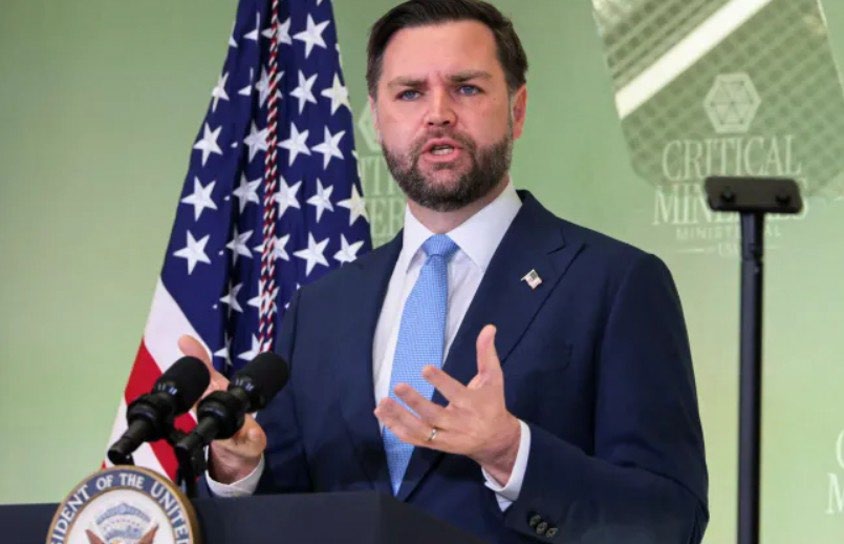
U.S. Vice President J.D. Vance has articulated a strategy to create a preferential trading bloc for critical minerals alongside allied and partner countries, framing mineral access as a collective geopolitical priority rather than a purely domestic industrial issue. Under this proposal, participating states would cooperate on supply-chain coordination, investment incentives, and market rules intended to secure diversified sources of key materials for advanced manufacturing, energy transition technologies, and
defense systems. Central to the plan is the idea of creating reference prices or price floors for critical minerals at various stages of production, upheld through adjustable tariffs and cooperative frameworks, to counter distortions caused by low-cost supply chains and enhance investment predictability for member producers.
Counterbalancing Concentrated Supply Chains
The bloc concept responds directly to concerns about concentrated control of mineral processing and supply, particularly China’s dominant role in refining and midstream segments for rare earths and battery metals. By aligning like-minded countries—including U.S. allies and major producing states—around shared standards and pricing integrity mechanisms, Washington aims to reduce dependency on a single external market and diversify the global mineral base. Advocates argue that a structured trading zone could help scale non-Chinese production and stabilize supply chains for technologies ranging from vehicle electrification to semiconductors, albeit with potential trade-off effects on downstream manufacturing costs.
Implementation Challenges and Geopolitical Significance
Despite broad rhetorical support and participation from scores of governments at ministerial meetings, the trading bloc proposal faces implementation hurdles, including differing national interests, skepticism toward U.S. trade initiatives, and the technical complexity of coordinating price controls among diverse economies. Critics suggest that alignment on enforcement mechanisms and long-term policy continuity will be essential for credibility, particularly given the long investment horizon required for mining and processing build-out. Nevertheless, the initiative marks a notable evolution in U.S. strategic policy— elevating critical minerals coordination into a formalized multilateral structure that seeks to blend economic cooperation with shared security objectives.
Issue 36, Mining & Critical Minerals, USA
U.S. Vice President’s Critical Minerals Trading Bloc Strategy