Regulatory Authority versus Concession Autonomy
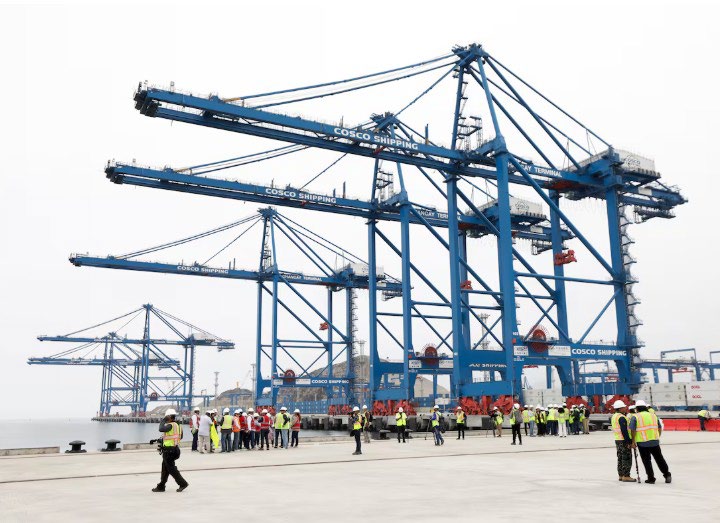
The ongoing dispute between Ositrán, Peru’s transport infrastructure regulator, and Cosco Shipping Ports over supervisory authority at the Port of Chancay highlights a deeper tension between regulatory oversight and concessionaire autonomy. A judicial ruling limiting Ositrán’s capacity to intervene in tariff-setting and operational supervision has raised concerns regarding institutional balance in one of Peru’s most strategically significant logistics assets. At stake is not merely a technical disagreement over regulatory interpretation, but the broader credibility of Peru’s concession framework and the State’s ability to safeguard users within large-scale public–private infrastructure arrangements.
User Protection and Market Structure Implications
Chancay is designed to operate as a high-capacity maritime hub linking South America with Asia, positioning Peru within trans-Pacific trade corridors.
In such a context, tariff transparency, service standards, and non-discriminatory access become central to ensuring competitive logistics costs for exporters and importers. If regulatory oversight is weakened or ambiguously defined, concerns emerge regarding potential pricing distortions, limited recourse for port users, and asymmetrical bargaining power. The dispute therefore extends beyond legal formalism into questions of market structure and long-term competitiveness within Peru’s external trade strategy.
Institutional Credibility and Strategic Infrastructure Governance
The episode underscores the importance of institutional predictability in managing foreign-invested megaprojects, particularly those embedded in geopolitically sensitive supply chains. Chancay’s scale and Chinese backing elevate its profile within regional infrastructure diplomacy, making governance clarity essential to avoid perceptions of regulatory fragmentation. The durability of Peru’s infrastructure concession model will depend on its ability to reconcile investor confidence with effective state supervision, ensuring that strategic assets operate within a transparent, rules-based framework that protects users while maintaining long-term investment attractiveness.
Energy & Infrastructure, Issue 36, Peru
PERU: Chancay Port Oversight Dispute Raises Governance and User-Protection Concerns