Re-energizing Regional Gas Infrastructure Cooperation
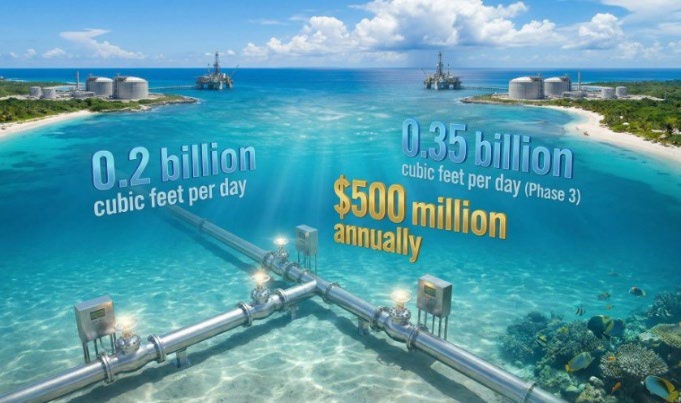
The government of Trinidad and Tobago has expressed confidence that two flagship offshore gas projects with neighboring Venezuela will move forward after recent political changes in Caracas. Energy Minister Roodal Moonilal stated that longstanding agreements with international partners including Shell, BP and the National Gas Company of Trinidad and Tobago remain intact and are expected to advance despite earlier suspensions related to diplomatic tensions and sanctions. The projects, if realized, would unlock significant natural gas volumes from shared offshore fields, upgrading Trinidad’s liquefied natural gas (LNG) and petrochemical export capacity while strengthening regional energy infrastructure linkages.
Strategic Importance for Domestic Energy Supply
Trinidad’s domestic gas reserves have been declining, putting pressure on its LNG export platform at Point Fortin and associated industrial sectors. Progress on cross-border projects with Venezuela—particularly those aimed at tapping the **Dragon field and contiguous reservoirs—could provide much-needed feedstock for LNG production and downstream petrochemical facilities. By securing additional gas supplies, Trinidad would reduce supply volatility and bolster its role as a Caribbean energy hub capable of competing in global LNG markets.
Geopolitical and Policy Dynamics in Energy Infrastructure
The optimism follows shifts in U.S. sanctions policy toward Venezuela’s energy industry, which have eased barriers that previously stalled collaboration. U.S. general licenses for exploration and development have facilitated foreign oil companies’ renewed interest in Venezuelan gas fields, enabling potential export via Trinidad’s Atlantic LNG terminal. If these cross-border developments proceed, they will reshape regional energy infrastructure, deepen supply-chain integration, and reinforce Trinidad’s strategic role in Caribbean gas logistics and export networks.
Energy & Infrastructure, Issue 36
Trinidad Optimistic Cross-Border Gas Projects with Venezuela Will Proceed