
Protectionist Shift with Global Supply Chain Implications
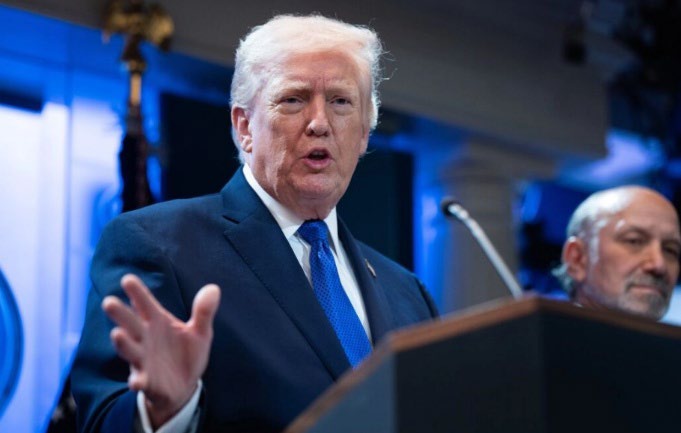
The United States has introduced a 15% global tariff on imports, a measure promoted by President Donald Trump following a Supreme Court ruling that limited the administration’s ability to impose tariffs under emergency powers. The tariff, initially set to remain in effect for 150 days, is presented by the White House as a response to persistent trade imbalances and large balance-of-payments deficits. While framed as a temporary policy tool, the measure signals a renewed protectionist approach that could reshape international trade dynamics across several industrial sectors.
Potential Impact on Metals, Mining, and Energy Supply Chains
The new tariff structure could affect global trade flows of industrial metals such as copper, steel, and aluminum, as well as equipment and components used in energy and mining projects. Although imports from Canada and Mexico remain largely exempt under the United States–Mexico–Canada Agreement (USMCA), producers from other regions may face higher entry costs into the U.S. market. This could alter price structures, supply contracts, and investment decisions across sectors that depend heavily on cross-border industrial supply chains.
Temporary Measure with Political Uncertainty Ahead
Under Section 122 of the U.S. Trade Act of 1974, the tariff can only remain in place beyond the initial 150- day period if Congress approves its extension. The measure has already triggered political debate in Washington, with opposition leaders warning that the tariff could raise prices for consumers and disrupt trade relationships. For global mining and energy industries, the policy introduces an additional layer of regulatory uncertainty, potentially accelerating efforts by producers to diversify export markets and adjust long-term supply strategies.