
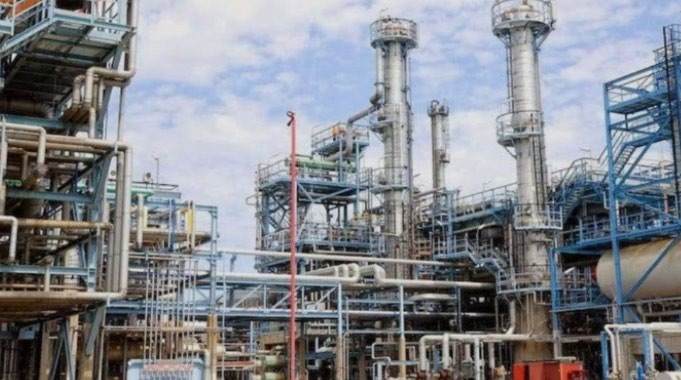
Geopolitical Risk Lifts Global Oil Markets
Rising tensions in the Middle East, particularly the escalating confrontation involving Israel and Iran, have pushed global oil prices upward as markets factor in the risk of potential supply disruptions. Brent crude prices climbed above recent trading ranges as traders responded to the possibility that instability could affect production facilities or maritime routes across the Gulf region. Even in the absence of direct supply losses, geopolitical uncertainty has introduced a significant risk premium into global energy markets.
Revenue Opportunities for Oil-Exporting Economies
For oil-exporting countries such as Nigeria, the price increase represents a short-term fiscal opportunity. Higher crude prices strengthen export revenues and improve government income, particularly in economies where hydrocarbons remain a central component of public finances and foreign exchange earnings. Nigeria’s crude grades have benefited from the broader price rally, helping to reinforce the country’s external revenue outlook amid ongoing economic challenges.
Volatility Highlights Structural Dependence on Energy Markets
While elevated prices may temporarily support oil-producing economies, the situation also illustrates the structural volatility of global energy markets. Price movements linked to geopolitical conflict can generate sudden revenue gains but also reinforce the cyclical nature of hydrocarbon-dependent economies. The current Middle East tensions therefore underscore the dual reality facing many energy exporters: geopolitical instability can boost prices in the short term while simultaneously amplifying long-term market uncertainty.