
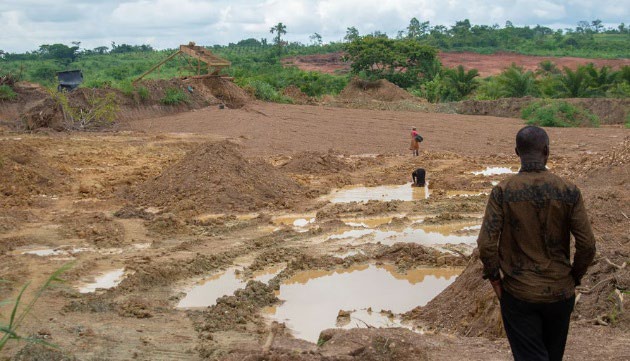
Emerging Lithium Sector Meets Local Expectations
Ghana’s emerging lithium industry is attracting international attention as the country prepares to develop the Ewoyaa lithium project, one of West Africa’s most significant new battery-mineral developments. The project is expected to position Ghana as a new supplier of lithium for electric-vehicle batteries and clean-energy technologies. However, the expansion of this strategic mineral sector is unfolding alongside growing scrutiny regarding how local communities will benefit from the development.
Community Consultation and Governance Challenges
Researchers and civil society groups warn that inadequate consultation with affected communities could generate social tensions and undermine the stability of lithium supply chains. Studies of Ghana’s lithium sector highlight that weak governance frameworks, delays in compensation, and limited participation in decision-making processes can create friction between communities, companies, and the state. These dynamics increase the risk of protests, legal disputes, or project delays if local stakeholders feel excluded from negotiations over land access, benefits, or environmental impacts.
Social License as a Critical Factor for Energy-Transition Minerals
The case of Ghana’s lithium sector illustrates a broader challenge facing the global critical-minerals industry: securing a durable social license to operate. As demand for battery minerals accelerates, successful projects increasingly depend not only on geological potential and capital investment but also on transparent governance, equitable benefit-sharing, and meaningful community participation. Without these elements, local opposition can disrupt projects and introduce significant risks into supply chains that underpin the global energy transition.