
Market Volatility Follows Rising Geopolitical Risks
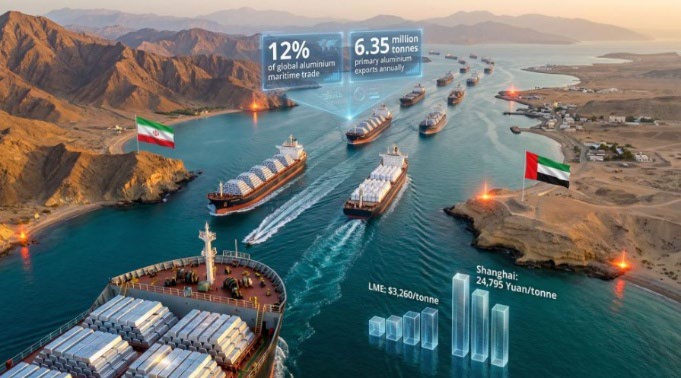
On March 3, 2026, aluminum prices rose sharply in international markets as geopolitical tensions intensified concerns about potential disruptions to global industrial supply chains. Traders reacted to the possibility that escalating political and military tensions in key regions could affect the movement of raw materials and energy supplies essential for aluminum production. Although the metal is produced across multiple continents, the interconnected nature of global logistics means that geopolitical uncertainty can quickly translate into market volatility.
Energy Costs and Transport Routes Influence Metal Markets
Aluminum production is highly energy-intensive, making it particularly sensitive to fluctuations in energy markets and transport disruptions. Several major aluminum smelting hubs depend on stable access to energy inputs and efficient maritime transport routes to deliver products to global manufacturing centers. When geopolitical tensions threaten these logistical corridors or raise the risk of supply interruptions, commodity markets often respond with precautionary price increases.
Industrial Metals and the Strategic Dimension of Supply Chains
The recent surge in aluminum prices illustrates how industrial metals are increasingly shaped by geopolitical dynamics as well as traditional market fundamentals. Aluminum plays a critical role in sectors such as transportation, construction, renewable energy infrastructure, and aerospace manufacturing. As global economies expand electrification and infrastructure investments, disruptions in metal supply chains can quickly reverberate across industrial systems, reinforcing the strategic importance of resilient and diversified mineral supply networks.