
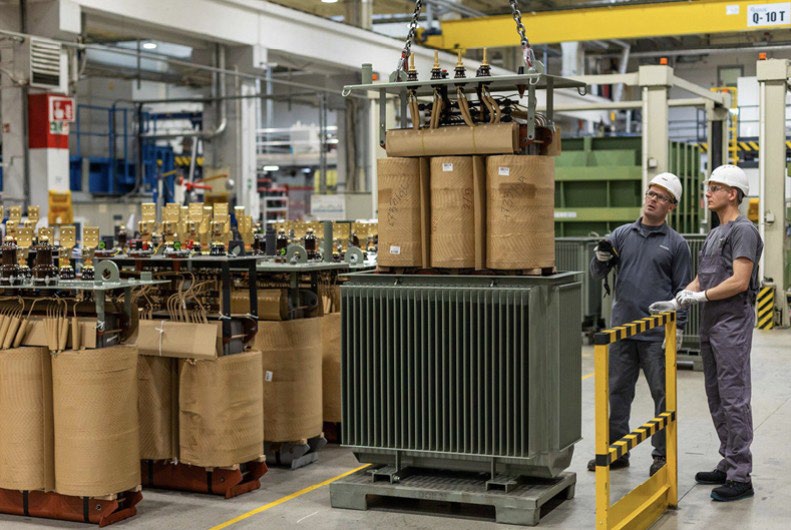
Electricity Networks Become the Backbone of the Energy Transition
On March 6, 2026, new energy sector analyses projected that global investment in electricity grid infrastructure could surpass $500 billion in 2026, reflecting the growing need to modernize and expand transmission and distribution systems worldwide. As renewable energy capacity continues to grow, electricity networks must adapt to integrate variable generation sources such as wind and solar power. Strengthening grid infrastructure has therefore become one of the most critical components of the global energy transition.
Transmission Expansion Required to Connect New Energy Sources
A major share of the projected investment is expected to focus on expanding high-voltage transmission networks capable of transporting electricity from renewable generation zones to urban and industrial demand centers. Many renewable energy projects are located in remote areas with strong wind or solar resources, requiring new transmission corridors and upgraded grid systems to deliver electricity reliably. Without these investments, the pace of renewable deployment could face significant operational constraint.
Grid Infrastructure as the Emerging Bottleneck of Clean Energy Systems
Energy analysts increasingly warn that insufficient grid capacity may become one of the primary bottlenecks in the global transition toward low-carbon energy systems. While investment in renewable generation has accelerated rapidly, grid development has often lagged behind. Expanding and modernizing electricity networks will therefore be essential not only to maintain system stability but also to unlock the full potential of renewable energy technologies and ensure reliable electricity supply for future industrial and digital economies.