
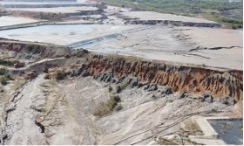
On September 1, 2025, Zambia was shaken by a major environmental scandal after reports emerged that Sino-Metals Leach Zambia had underreported the scale of a toxic spill in the Kafue River. The incident stemmed from the collapse of a tailings dam, releasing an estimated 1.5 million tons of waste material laden with cyanide and arsenic. This catastrophic event contaminated one of the country’s most vital waterways, which supplies drinking water, irrigation, and fisheries to over half of Zambia’s population. The scale of the spill underscores both the fragility of mining waste infrastructure and the profound risks associated with inadequate oversight in one of Africa’s leading copper producers.
The situation intensified when Drizit, the contractor engaged for cleanup operations, alleged that the environmental damage was far worse than the initial figures released by the mining company. Communities along the Kafue River have already reported cases of fish die-offs, water discoloration, and health complaints, fueling anger and mistrust toward both the operator and state regulators. Environmental groups are pressing for independent verification of the contamination levels, while opposition politicians have seized on the scandal to call for accountability and stricter regulation of foreign mining operators. The incident also raises questions about transparency and the adequacy of Zambia’s environmental safeguards in a sector central to its economy.
Beyond its immediate humanitarian and ecological impact, the disaster threatens Zambia’s broader development trajectory. Copper exports are the backbone of the national economy, but environmental mismanagement risks eroding international confidence in the country’s mining sector, potentially deterring investment at a time when Zambia is seeking to expand production. Moreover, the spill illustrates the growing tension between the need to harness mineral wealth for economic growth and the imperative to protect ecosystems and communities from irreversible harm. Unless addressed decisively, the Kafue River disaster may come to symbolize not only corporate negligence but also the weakness of governance in safeguarding one of Zambia’s most strategic natural assets.