
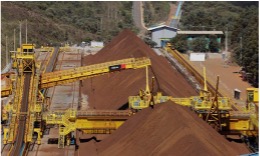
On September 4, 2025, Brazilian mining giant Vale announced the reopening of its Capanema iron ore mine in Minas Gerais after more than two decades of inactivity. The move is part of a broader strategic plan to modernize operations and secure long-term production capacity in one of the world’s leading iron ore jurisdictions. Alongside the reopening, Vale committed to investing US $12.4 billion (67 billion reais) through 2030, signaling both the scale of its ambitions and the importance of Minas Gerais to its global portfolio. The company projects that the Capanema mine will contribute around 15 million metric tons of iron ore per year, helping Vale meet its production targets of 340–360 million tons annually.
A central feature of the investment plan is the adoption of dry stacking technology, a method that eliminates the use of conventional tailings dams. This shift comes in direct response to past mining disasters in Minas Gerais, including the Mariana and Brumadinho dam failures, which had catastrophic human and environmental consequences. By moving toward safer waste management practices, Vale is attempting to restore trust among regulators, communities, and investors, while also aligning with stricter global standards for environmental and social responsibility in mining.
The reopening of Capanema and the new round of investments carry wider implications for Brazil’s mining sector and global commodity markets. Iron ore remains a cornerstone of steelmaking, and Vale’s expanded capacity strengthens Brazil’s role as a key supplier to Asia and beyond. At the same time, the company’s emphasis on sustainability reflects the growing pressure on extractive industries to balance economic contributions with environmental stewardship. For Minas Gerais, the initiative promises job creation and infrastructure development, but it also highlights the ongoing challenge of ensuring that mining growth is compatible with long-term community and ecosystem resilience.