
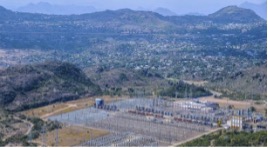
On September 3, 2025, Mozambique confirmed its commitment to building the Mphanda Nkuwa hydroelectric dam, a US $6 billion project on the Zambezi River that represents the country’s most ambitious infrastructure development in half a century. With a planned capacity exceeding 1,500 megawatts, the dam is designed to become one of Southern Africa’s most significant renewable energy sources. Authorities project completion by 2031, positioning the project as a cornerstone of Mozambique’s strategy to expand electricity access domestically and increase energy exports to the region.
The hydropower initiative comes at a time when Mozambique is seeking to diversify its energy mix and reduce dependence on fossil fuels, even as it develops liquefied natural gas (LNG) resources. By harnessing the Zambezi, the government hopes to meet rising domestic demand, power new industries, and strengthen its role as a regional energy hub. The project has already attracted interest from development financiers and international energy companies, reflecting confidence in Mozambique’s
long-term potential as a renewable energy leader.
However, the project also faces significant challenges. Large hydroelectric projects carry risks of environmental disruption, displacement of communities, and financing delays. Civil society groups have already raised concerns about ecological impacts on the Zambezi basin, which supports rich biodiversity and livelihoods for thousands of families. Success will therefore depend on how Mozambique manages environmental safeguards, ensures transparent governance, and balances national ambitions with local concerns. If executed responsibly, Mphanda Nkuwa could transform the country’s energy landscape and mark a turning point in Africa’s green development trajectory.